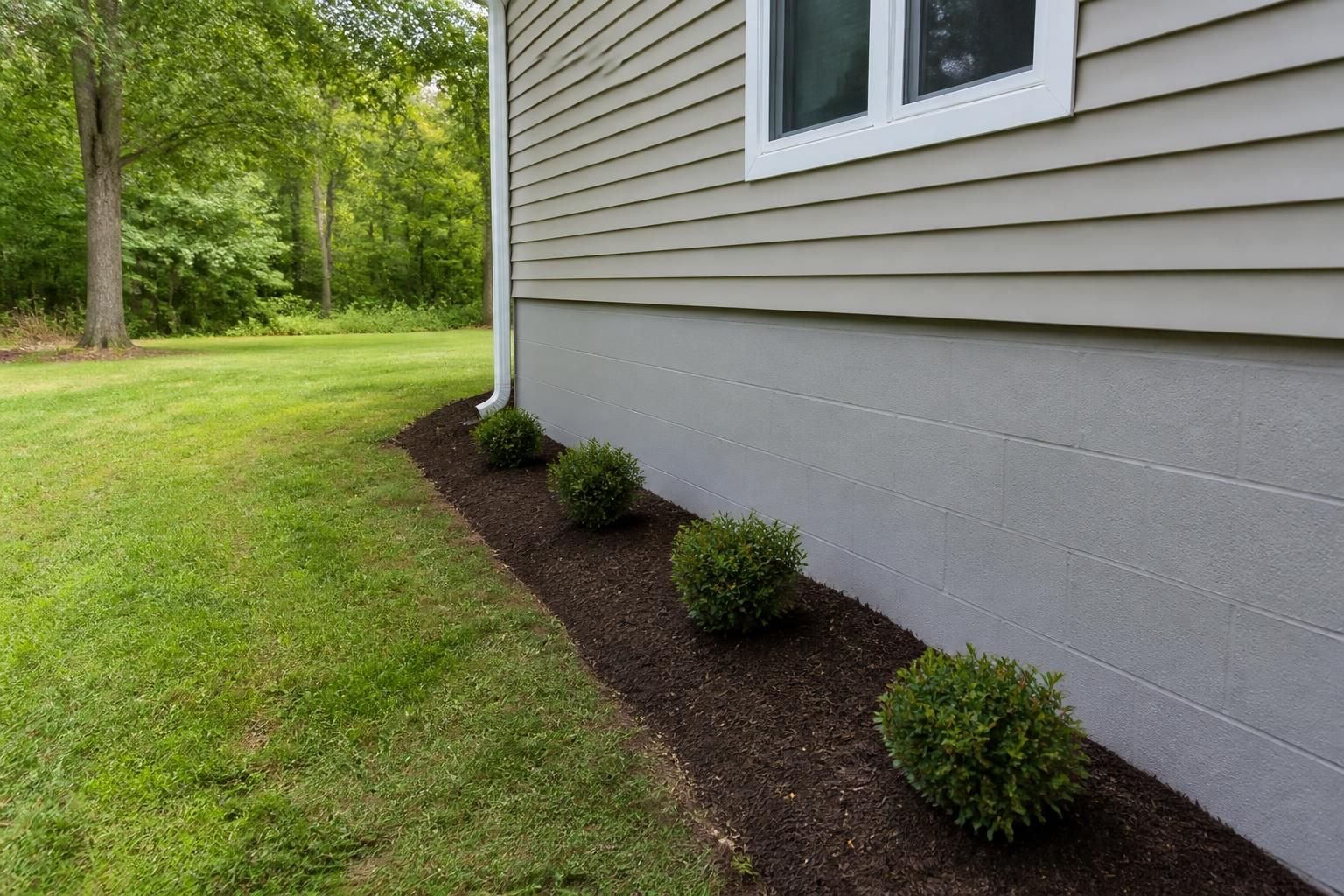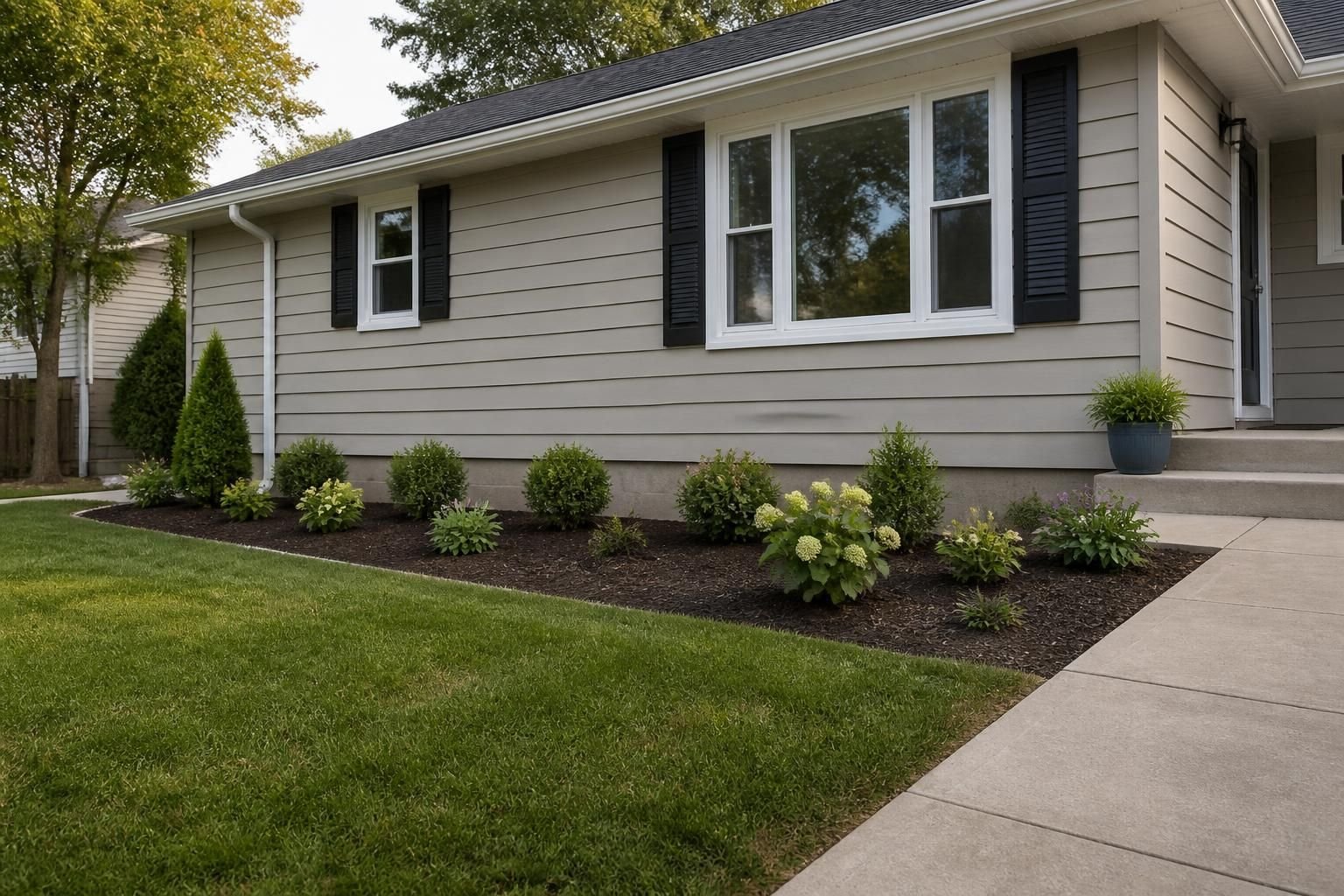
Pasadena Solid Foundation Repair levels and stabilizes settled homes across Pasadena, TX. If the floors in your home slope, doors have started to stick, or cracks are creeping across your walls, you are likely dealing with an uneven house — a home whose foundation has settled more in some places than others. It is one of the most common structural concerns in Pasadena, and it almost always comes back to what is happening in the soil beneath the home. Understanding why houses become uneven helps you recognize the problem early and know what to do about it. This guide explains the common causes of house settlement in Pasadena, TX.
What Is House Settlement?
Settlement is the downward movement of a foundation as the soil beneath it shifts or loses support. A small amount of uniform settling is normal as a home ages. The problem is differential settlement — when one part of the foundation drops more than another. That uneven movement is what tilts floors, cracks walls, and throws doors and windows out of square. In Pasadena, differential settlement is driven overwhelmingly by soil moisture.
The Main Causes of Uneven Settling in Pasadena
1. Expansive Clay Soil
Pasadena sits on highly expansive Beaumont clay, which swells when it absorbs water and shrinks when it dries. This shrink-swell cycle moves the ground beneath a home up and down, and because it rarely happens evenly, different parts of the foundation move by different amounts. This is the single biggest cause of uneven homes in the area.
2. Drought and Soil Shrinkage
During the long, hot Texas summers, the clay dries out and contracts, pulling away from footings and leaving sections of the foundation without support. Those unsupported areas settle, creating the uneven movement homeowners notice as sloping floors and new cracks.
3. Heavy Rain and Rapid Swelling
After a dry spell, heavy Gulf Coast rain can swell the clay quickly. When moisture reaches one side of the home faster than another, the result is differential movement — one section lifts or settles more than the rest.
4. Poor Drainage
Water that is not directed away from the home keeps the surrounding soil saturated and unstable. Poor grading, clogged gutters, downspouts that empty against the foundation, and standing water all concentrate moisture unevenly, accelerating settlement on the wet side of the home.
5. Plumbing Leaks
A slow leak in an under-slab plumbing line can quietly wash away or soften the soil beneath one part of the foundation for months. Many homeowners discover a leak only after noticing new cracks or an uneven floor above it.
6. Tree Roots
Large trees planted close to a home draw significant moisture from the clay through their roots, drying the soil unevenly on one side. That localized drying causes the foundation to settle toward the tree.
7. Poorly Compacted Fill
Homes built on fill that was not uniformly compacted — common where farmland or low ground was developed — can settle unevenly as the fill continues to consolidate over time. Even newer homes are not immune when the underlying soil was not properly prepared.
How to Tell If Your House Is Settling Unevenly
The signs of differential settlement are usually visible: floors that slope or feel bouncy, doors and windows that stick, diagonal cracks from the corners of doors and windows, stair-step cracks in exterior brick, gaps around trim, and separation where walls meet the ceiling. A single symptom is not always cause for alarm, but several appearing together strongly suggest the home is settling unevenly and should be evaluated.
Is Some Settlement Normal?
Yes — a small amount of uniform settling happens to almost every home and is not a structural concern. The issue arises when settlement is uneven and ongoing. Because Pasadena’s clay keeps moving with every wet-and-dry cycle, differential settlement here tends to continue until the underlying cause is addressed, which is why persistent or worsening signs warrant attention.
How Uneven Settlement Is Fixed
The good news is that an uneven home can be corrected. House leveling raises the settled sections back into alignment, typically using piers installed as part of slab foundation repair to provide stable support. Older homes on crawl spaces are corrected through pier and beam foundation repair. Because moisture drives the movement, a lasting fix also addresses drainage. The right approach is determined by a professional foundation inspection that measures how much and where the home has moved.
Preventing Further Settlement
You cannot change the clay your home sits on, but you can reduce how much it moves. Keep gutters clean and downspouts extended well away from the foundation, grade the soil to slope away from the house, water the perimeter lightly during dry spells to keep the clay from shrinking, keep large trees a sensible distance from the home, and fix plumbing leaks promptly. Steady soil moisture means steadier support and less uneven movement over time.
What Happens If Uneven Settlement Is Ignored
Differential settlement does not stay still. As one part of the home continues to drop, cracks widen, doors that once stuck occasionally stop closing entirely, and floors grow noticeably more sloped. The stress can travel to plumbing lines beneath the slab, damage flooring and tile, and eventually threaten the structural integrity of the home. Because the cost of repair rises with the amount of movement and the number of support points required, an uneven home left unaddressed becomes a larger and more expensive project over time. What might have been a localized fix can grow into stabilization along multiple sides of the house — a strong reason to act while the settlement is still limited.
How an Inspection Pinpoints the Cause
Because several factors can cause uneven settling, identifying the specific driver is essential to a lasting fix. During an inspection, we take elevation readings across the floor to map exactly how much the home has moved and in which direction, examine the interior and exterior for the pattern of cracks, and look for contributing causes such as poor drainage, a nearby tree, or signs of an under-slab plumbing leak. That diagnosis is what allows the repair to target the real cause rather than simply lifting the home back up and waiting for it to settle again.
Frequently Asked Questions
Why is only one part of my house settling?
Because soil moisture is rarely uniform. One side may dry out near a tree, stay wet from poor drainage, or sit over a plumbing leak, so that section settles more than the rest — the definition of differential settlement.
Can an uneven house be leveled?
Yes. House leveling raises the settled areas back into alignment and stabilizes them on piers so the correction holds. An inspection determines the extent of the work.
Does uneven settling get worse?
Usually, because the soil conditions causing it do not stop on their own. Addressing it early keeps the repair smaller and less costly.
Are newer homes safe from uneven settlement?
Not entirely. Newer Pasadena homes sit on the same expansive clay as older ones, and homes built on poorly compacted fill can settle unevenly in their first few years. Good drainage and steady soil moisture from the start help protect any home, new or old.
The Bottom Line
Houses become uneven in Pasadena because expansive clay, drought, heavy rain, poor drainage, plumbing leaks, tree roots, and loose fill move the soil beneath them unevenly. The signs are recognizable, and the problem is correctable with leveling and stabilization once the cause is diagnosed. Learn more about our Pasadena foundation services or read about the signs of foundation problems in Pasadena homes.
We help homeowners in Galena Park, Jacinto City, and Cloverleaf and nearby. If this sounds like your situation, see our root barrier installation, house leveling, and foundation inspection pages. For outside information, the USDA Web Soil Survey lets you look up the soil type on your own lot.
Noticing sloping floors or sticking doors? Call +1-713-929-2237 or reach out to Pasadena Solid Foundation Repair for an inspection.