
We used this team for foundation repair and leveling on our home in South Houston. The crew was professional, efficient, and very respectful of our property. One thing that really stood out was the cleanup—they left everything looking neat and put together. The results have held up exactly as promis We used this team for foundation repair and leveling on our home in South Houston. The crew was professional, efficient, and very respectful of our property. One thing that really stood out was the cleanup—they left everything looking neat and put together. The results have held up exactly as promised, and we couldn't be happier. Highly recommend.
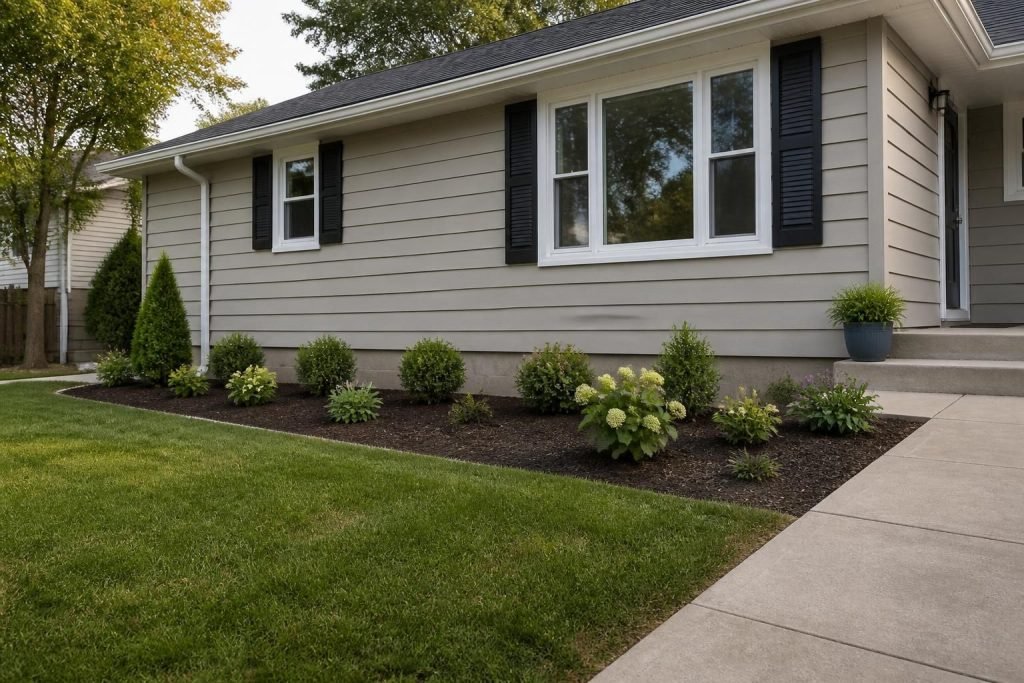
Trusted Foundation Repair in Pasadena, TX
Pasadena Solid Foundation Repair helps property owners diagnose and fix slab movement, cracks, uneven floors, and drainage-related foundation problems with practical repair solutions built for Gulf Coast conditions.
- Free Foundation Inspections
- Residential, Commercial, and Industrial Work
- Clear Explanations and Honest Recommendations
Send a Request
Foundation Repair Services for Homes and Businesses
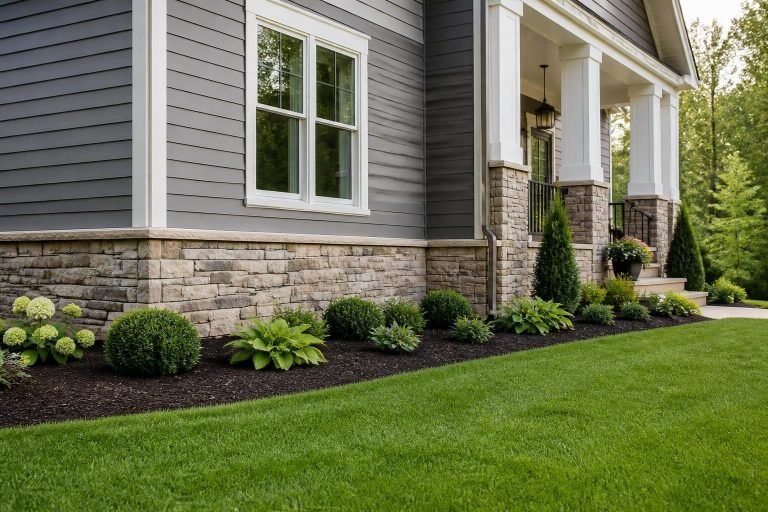
House Raising
House raising helps Pasadena properties recover from settlement, slope, and repeated soil movement.
Learn More
House Leveling
House leveling for Pasadena homes affected by shifting soil, uneven floors, and stubborn structural movement.
Learn More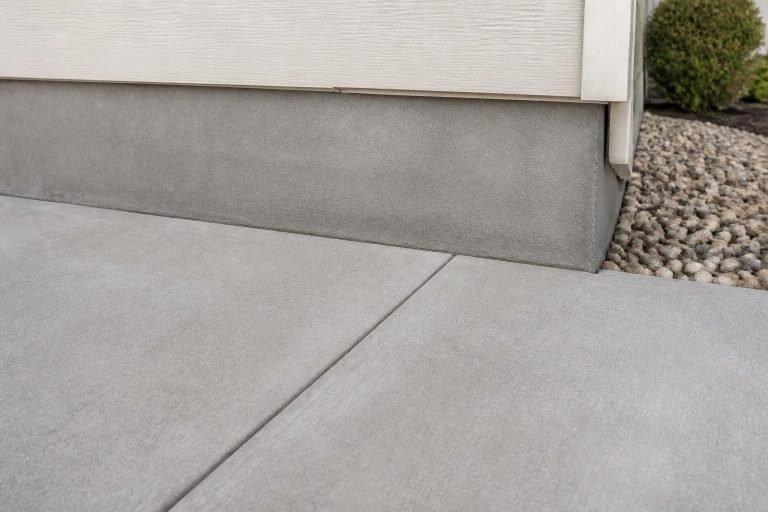
Slab Foundation Repair
Fix slab cracks, settling, and uneven floors with local Pasadena repair help.
Learn More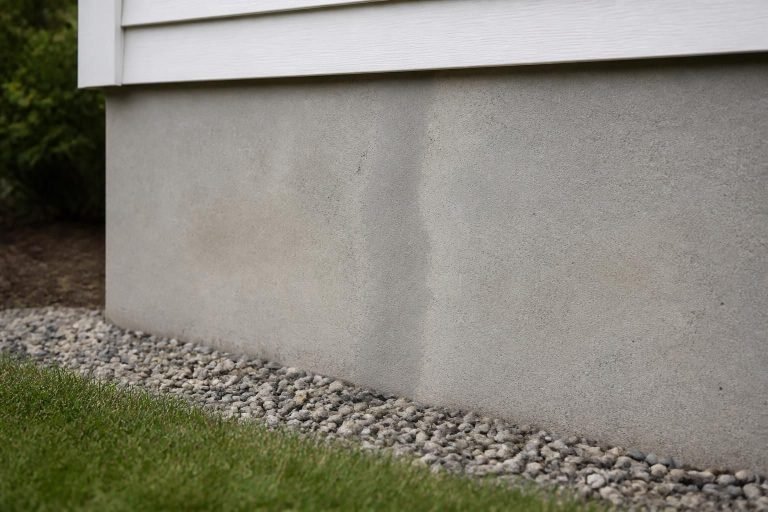
Foundation Crack Repair
Cracks spreading through your foundation need a clear diagnosis and a lasting repair plan.
Learn More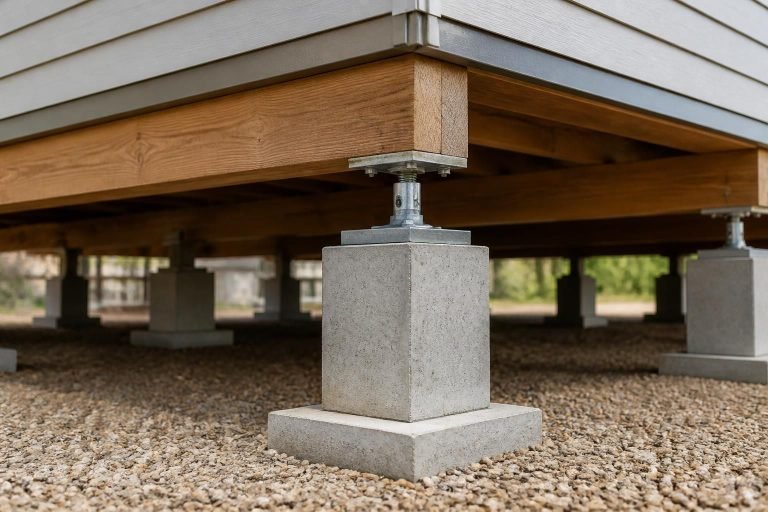
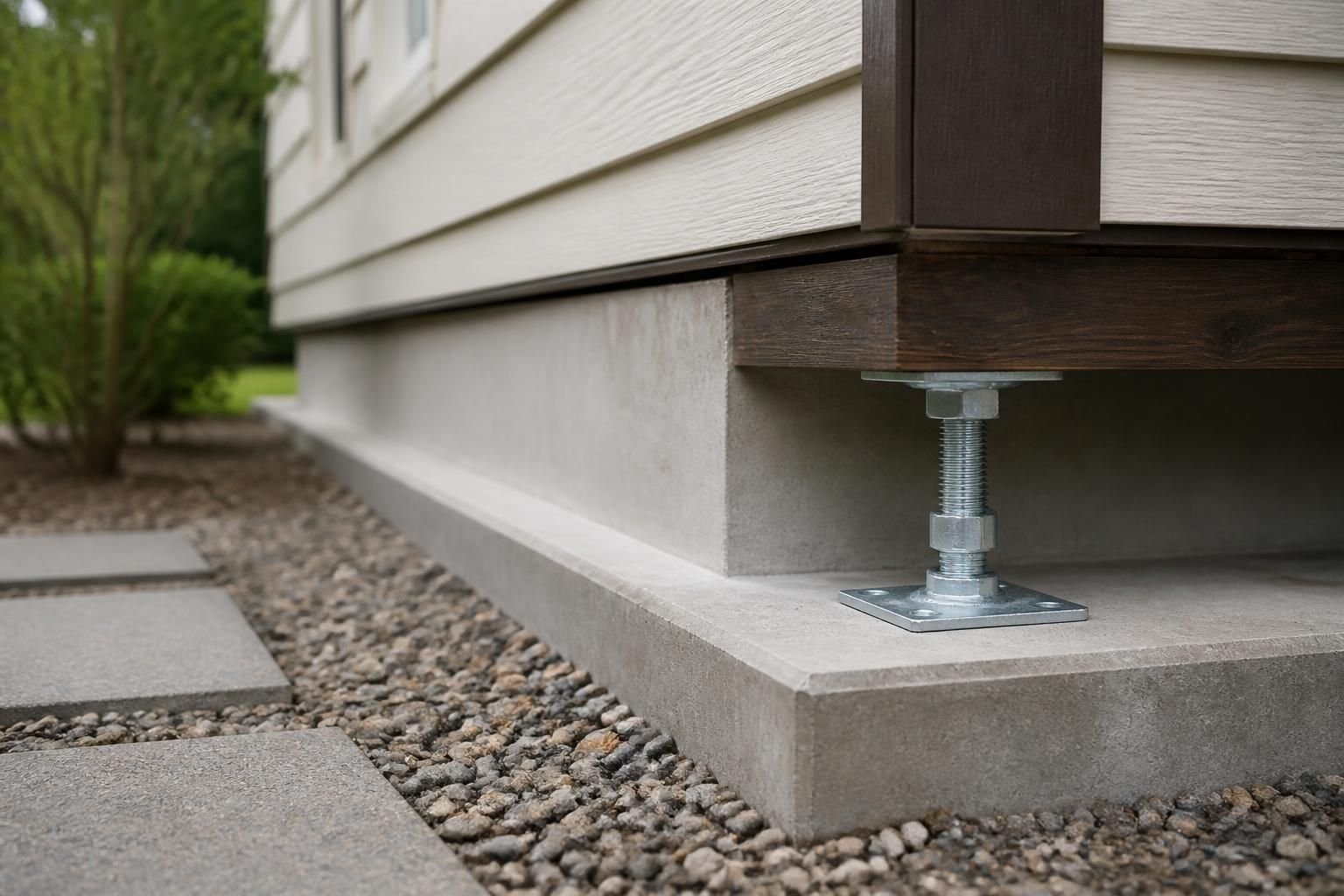
Pier & Beam Foundation Repair
Pier and beam foundation repair for Pasadena homes with sagging floors, shifting supports, and crawl space concerns.
Learn More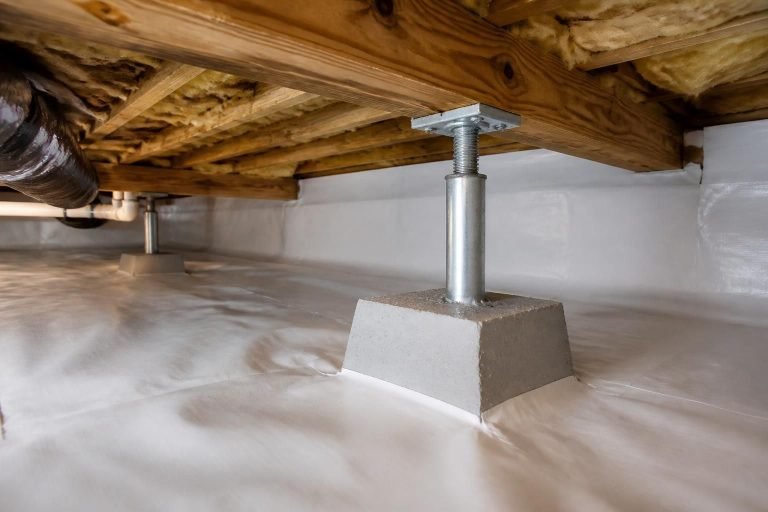
Crawl Space Repair
Restore crawl space stability and stop moisture problems before they spread through your Pasadena home.
Learn More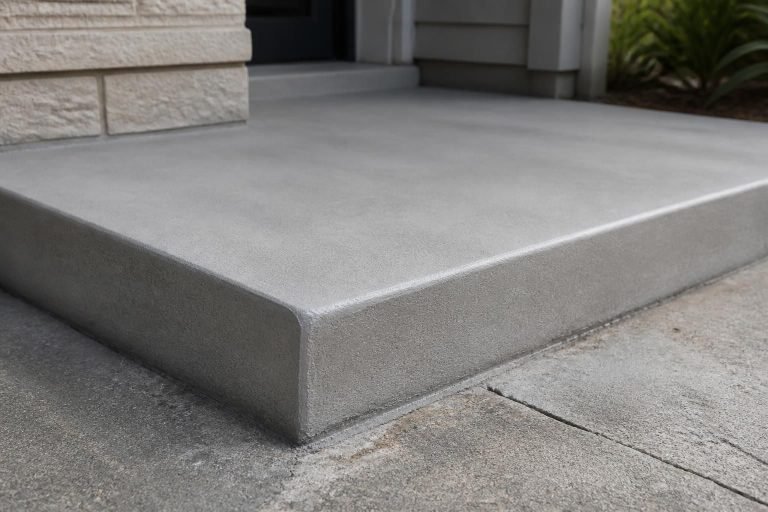
Concrete Slab Repair
Concrete slab cracks, shifts, and settles. We repair the cause for Pasadena properties.
Learn More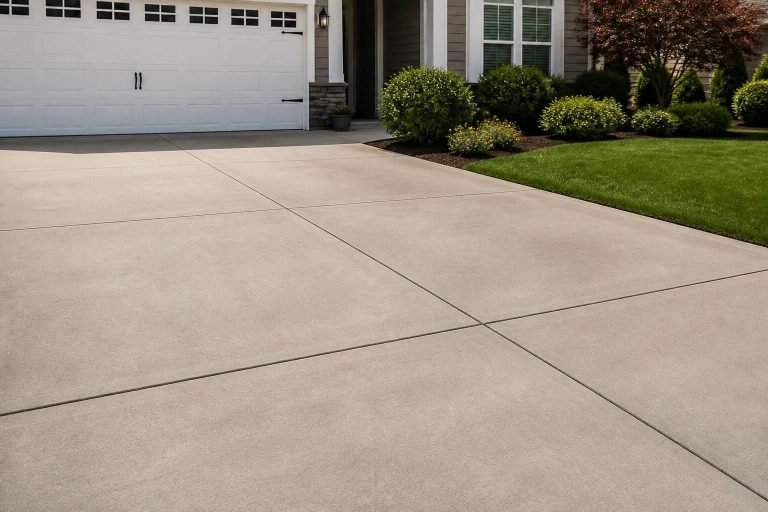
Concrete Driveway Repair
Repair cracked, uneven, or sinking driveways with local concrete solutions made for Pasadena homes.
Learn More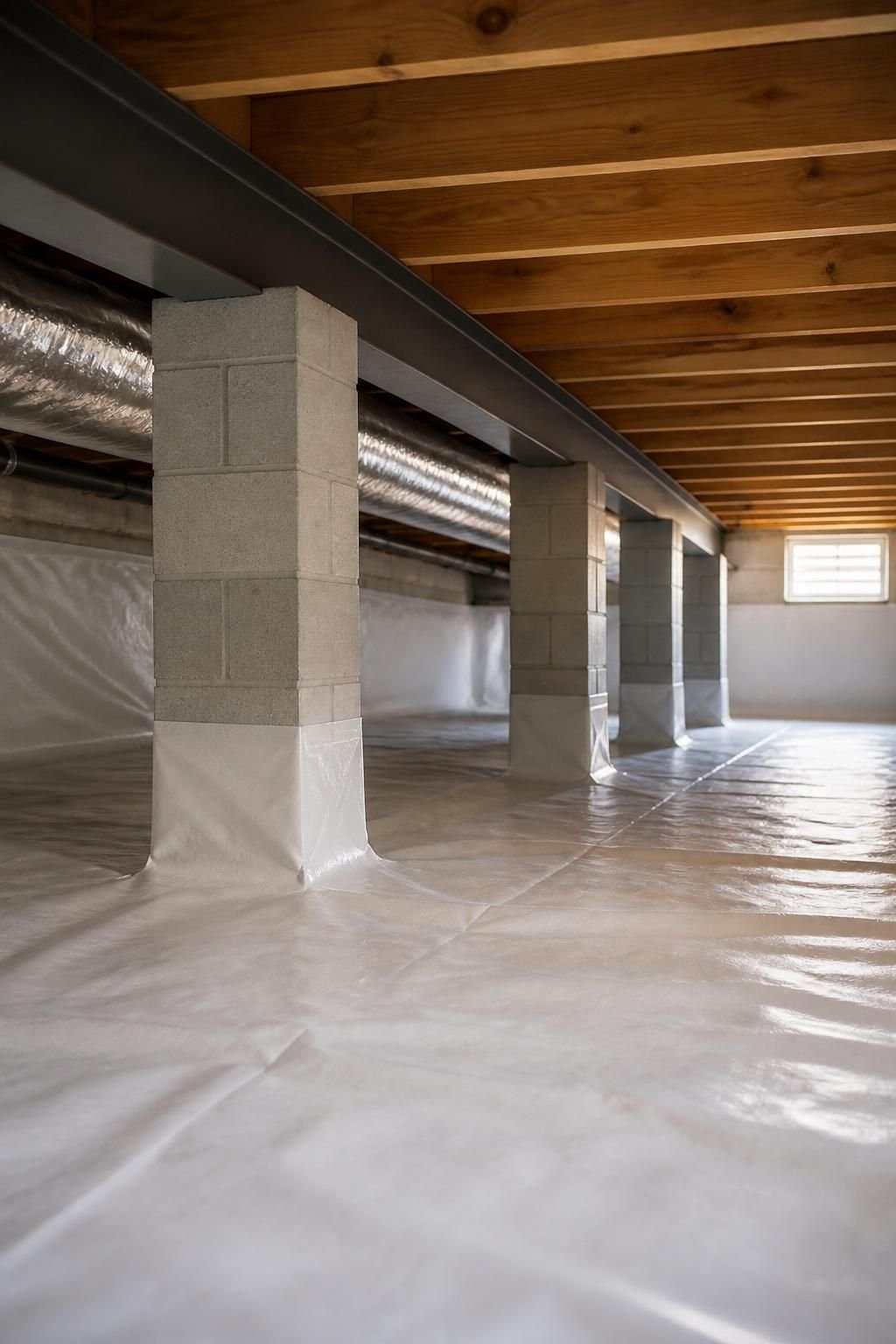
About Pasadena Solid Foundation Repair
Local Knowledge for Foundation Problems in Pasadena
Pasadena Solid Foundation Repair helps property owners address the foundation issues that are common in the Houston area, where clay soils, shifting moisture, and heavy storms can all contribute to structural movement. We focus on finding the real source of the problem so the repair plan makes sense for the property.
- We look beyond the symptoms. Cracks, uneven floors, and sticking doors often point to a deeper issue with soil movement, drainage, or structural settling.
- We work on many property types. From slab foundations and pier-and-beam homes to commercial buildings and industrial sites, we handle a wide range of foundation repair needs.
- We address water and structure together. Many lasting repairs depend on improving drainage or moisture control as well as stabilizing the foundation itself.
Our Service Standard
How We Approach Every Job
Each project starts with a clear inspection and a practical plan so the repair addresses the actual cause of the foundation issue.
01
Careful Inspection
We assess the structure, surface conditions, and likely causes of movement before recommending repairs.
02
Practical Solutions
We match the repair approach to the problem, whether that involves leveling, crack repair, drainage work, or structural support.
03
Plain Language Communication
We explain what we find, what it means, and what the next step should be in straightforward terms.
Service Areas
Proudly Serving Pasadena and Surrounding Communities
Pasadena Solid Foundation Repair serves Pasadena, Deer Park, La Porte, South Houston, Channelview, Friendswood, Cloverleaf, Seabrook, Webster, Galena Park, Jacinto City, Stafford, and nearby Gulf Coast communities with foundation inspection, leveling, repair, and drainage-focused solutions.
Deer Park, TX
La Porte, TX
South Houston, TX
Channelview, TX
Friendswood, TX
Cloverleaf, TX
Seabrook, TX
Webster, TX
Galena Park, TX
Jacinto City, TX
Stafford, TX
Golden Acres, TX
All Service Areas
FAQ
Common Questions
The most common signs of a foundation problem include cracks in interior walls, especially around doors and windows, along with stair-step cracks in exterior brick or mortar joints. Homeowners often notice doors and windows that suddenly stick or no longer latch, floors that feel uneven or sloped, and gaps opening up around trim, baseboards, or the garage door. You may also see separation where walls meet the ceiling, nail pops in drywall, or cracking in concrete surfaces such as the driveway or patio. A single hairline crack is not always a concern, but when several of these signs appear together, or when they keep growing, it usually means the foundation should be inspected. In Pasadena, where homes sit on highly expansive Gulf Coast clay, these symptoms tend to come and go with the seasons — appearing in dry summers when the soil shrinks and easing after heavy rain when it swells again. That seasonal pattern is itself a warning sign. Interior clues like sticking doors combined with exterior clues like brick separation are a stronger indication of real movement than any single symptom, and catching them early almost always means a simpler, less expensive repair than waiting until the damage becomes severe.
Pasadena and the surrounding Houston area sit on expansive Beaumont clay soils that are extremely sensitive to changes in moisture. When heavy Gulf Coast rain or a tropical storm saturates the ground, the clay swells and pushes upward against the foundation. During the long, hot Texas summers and dry spells, that same soil shrinks and pulls away, leaving sections of the foundation without support. This constant cycle of swelling and shrinking is the leading cause of settlement in our area, and it affects both slab and pier-and-beam homes. Several local conditions make it worse: the flat coastal terrain drains slowly, the water table sits high, and proximity to the Houston Ship Channel, bayous, and the San Jacinto River means many neighborhoods deal with flooding and rapid moisture swings. Aging under-slab plumbing is another common culprit, since even a small leak can wash away supporting soil over time, and large trees planted close to a home pull moisture from the clay and dry it unevenly. Because so many factors work together here, foundation movement is a routine concern for homes and businesses across Pasadena, Deer Park, La Porte, Channelview, and the rest of the southeast Houston region — which is why regular inspections and good drainage matter so much locally.
Yes. We work on both slab-on-grade and pier-and-beam foundations, the two most common types found throughout Pasadena and the greater Houston area. Slab foundations rest directly on the ground and are typically stabilized by installing piers — concrete, steel, or helical — beneath the affected sections to lift and support the concrete. Pier-and-beam homes, which are more common in older neighborhoods near the Ship Channel and the inner loop, have a crawl space that lets our crews access and repair beams, joists, and supports, then re-level the floor system from underneath. Because each foundation type behaves differently on the region's expansive clay and calls for different methods, we always begin with a thorough inspection to determine what is causing the movement before recommending a repair. That inspection tells us how far the home has settled, how many support points are needed, and whether related issues like drainage or a plumbing leak need to be addressed first. Matching the method to the specific foundation and soil conditions is what makes a repair last, rather than applying the same fix to every home. Whether your property is a mid-century pier-and-beam house or a newer slab build, we can identify the right, longest-lasting solution for your situation.
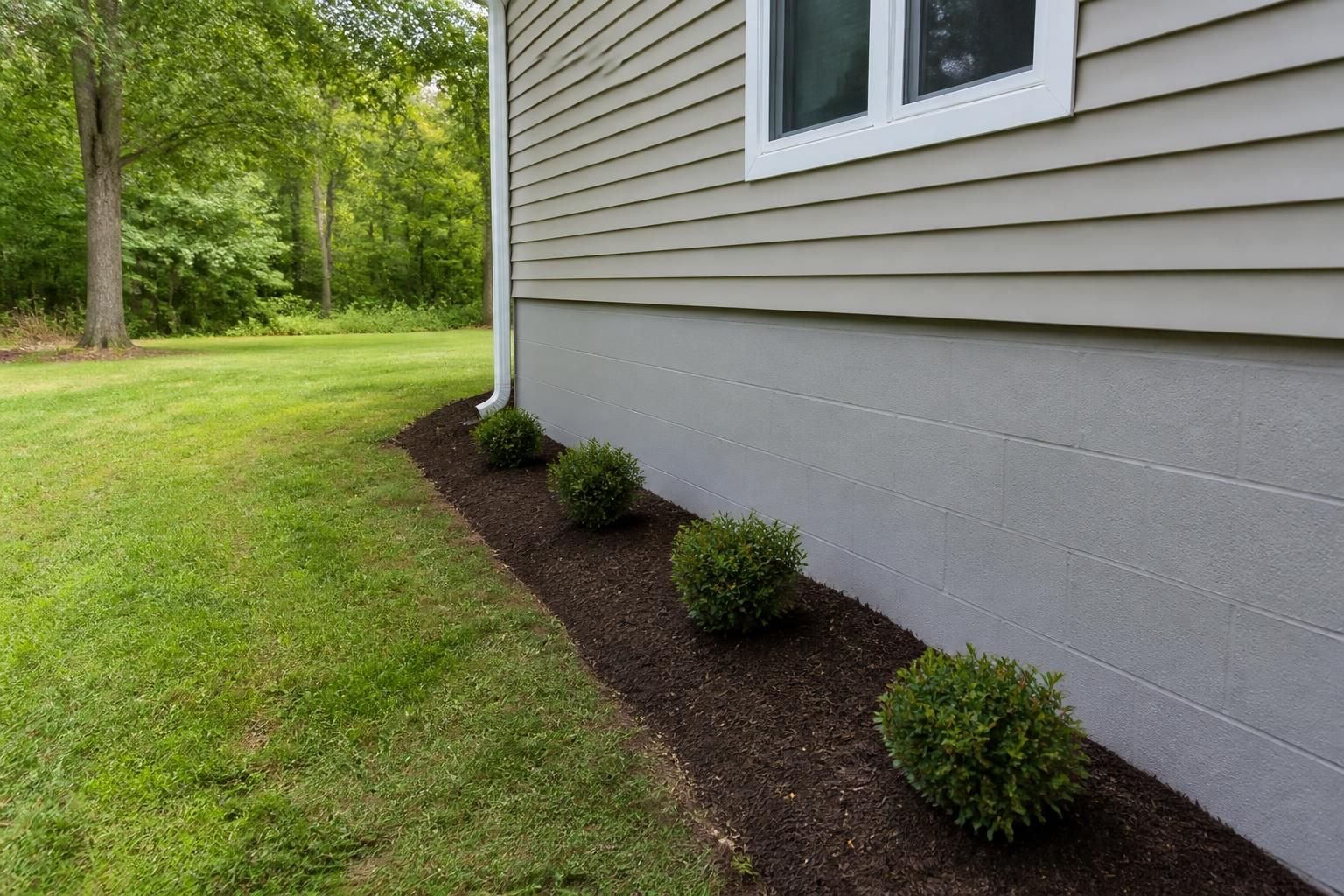
Yes. Drainage has a major impact on foundation performance, especially in an area with expansive clay soils like Pasadena. When water is not directed away from the home, it collects around the perimeter and keeps the soil saturated, which causes the clay to swell and shift. Just as damaging is uneven drainage, where one side of the home stays wet while another dries out, leading to differential movement that cracks slabs and footings. Poor grading, clogged or missing gutters, downspouts that empty right next to the foundation, and standing water in the yard all contribute to the problem, and our flat, low-lying coastal terrain makes water slow to drain in the first place. Correcting drainage and keeping the soil moisture around the foundation consistent is often an important part of protecting a foundation for the long term. Practical steps include extending downspouts away from the house, improving the slope of the soil so water flows outward, adding surface or French drains where water pools, and installing root barriers where large trees are pulling moisture from the clay. During an inspection we look closely at how water moves around your property, because in many cases managing drainage is just as important as the structural repair itself for preventing the problem from returning.
Yes. In addition to residential foundation repair, we work on commercial and industrial properties throughout the Pasadena and Houston area. That includes office buildings, retail spaces, warehouses, distribution centers, and the industrial facilities that fill the Houston Ship Channel corridor. Commercial structures often carry heavier loads, cover larger footprints, and sit on the same expansive clay soils that affect homes, so settlement and movement can create serious safety, code, and operational concerns. We assess the structure, identify the underlying cause of the movement, and recommend stabilization solutions such as concrete or steel piers and underpinning that fit the size and use of the building. Because downtime is costly for a business, we plan the work to keep disruption to your operations, employees, and customers as limited as possible, often phasing the repair around your schedule. We also handle the concrete work that commercial sites frequently need alongside foundation repair, including slab repair, paving, and parking lot construction, since the same soil movement that shifts a building often damages the surrounding pavement. Whether you manage a single storefront or a large industrial facility, we can evaluate the property, explain what is happening beneath it, and provide a stabilization plan built for long-term performance and safety.
During a foundation inspection, we take a close look at both the inside and outside of your property to understand what is happening beneath it. We review visible signs of movement such as wall and brick cracks, sticking doors and windows, uneven or sloping floors, and gaps around trim, and we check for moisture or drainage issues that could be contributing to the problem. We also consider the age and type of foundation, the surrounding soil, and how water moves around the structure. Where appropriate, we take elevation readings across the floor to measure how much the foundation has moved and in which direction, which helps pinpoint the affected areas and the number of support points a repair would need. If the symptoms suggest it, we look for signs of an under-slab plumbing leak, since that is a common hidden cause of settlement in our area. Once we have gathered this information, we explain in plain language what we believe is causing the movement and outline the repair options that make the most sense, so you can make an informed, confident decision. Our goal is to give you a clear, honest assessment of your foundation's condition — not pressure — so you understand both the cause and the most practical path forward before any work begins.
Yes. Along with foundation repair, we handle a full range of concrete services that often go hand in hand with foundation work. That includes concrete slab repair, concrete driveway repair, concrete paving, and concrete parking lot construction for both residential and commercial properties. The same soil movement, drainage problems, and settlement that affect foundations frequently damage the concrete surfaces around a home or business, causing cracking, sinking, and uneven, trip-prone sections. On Pasadena's expansive clay, driveways, sidewalks, patios, and parking lots shift for the same reasons a foundation does, so addressing them together often makes sense. Repairing or replacing these surfaces at the same time helps protect the property, improves safety and curb appeal, and manages the way water flows around the structure — which in turn helps the foundation. For commercial clients, well-maintained paving and parking areas also affect how customers and inspectors view a property. After an inspection, we can recommend which concrete repairs will provide the most lasting results for your particular situation, whether that means patching and leveling existing concrete or pouring new, properly prepared surfaces designed to hold up to the local soil and Gulf Coast weather. We are glad to combine foundation and concrete work into a single coordinated plan when it benefits the property.
We proudly serve Pasadena and many nearby communities across the southeast Houston and Ship Channel area. That includes Deer Park, La Porte, South Houston, Channelview, Friendswood, Cloverleaf, Seabrook, Webster, Galena Park, Jacinto City, Stafford, and Golden Acres, among others. Because these areas share the same expansive Beaumont clay soils, flat coastal terrain, high water table, and humid Gulf Coast climate, homes and businesses throughout the region tend to experience similar foundation challenges — from seasonal settlement and slab cracks to drainage-related movement and flood exposure near the bay, bayous, and San Jacinto River. Our local crews understand how these specific conditions affect properties here and tailor each repair to the soil and structure involved, rather than applying a one-size-fits-all approach. We work on both slab and pier-and-beam foundations, residential and commercial buildings, and we handle the related drainage and concrete work these properties often need. If you are not sure whether your neighborhood is covered, reach out and we will be glad to confirm and schedule an inspection. Serving this stretch of southeast Harris County means we are familiar with the industrial corridor, the older inner-loop housing stock, and the newer bay-area subdivisions alike, so we can respond quickly and knowledgeably wherever your property is located.
Start with an Inspection
Find the Cause Before the Damage Spreads
Tell us what you are seeing, from cracks and sticking doors to sloping floors or drainage trouble. We will inspect the property, explain what is happening, and recommend the right repair path.