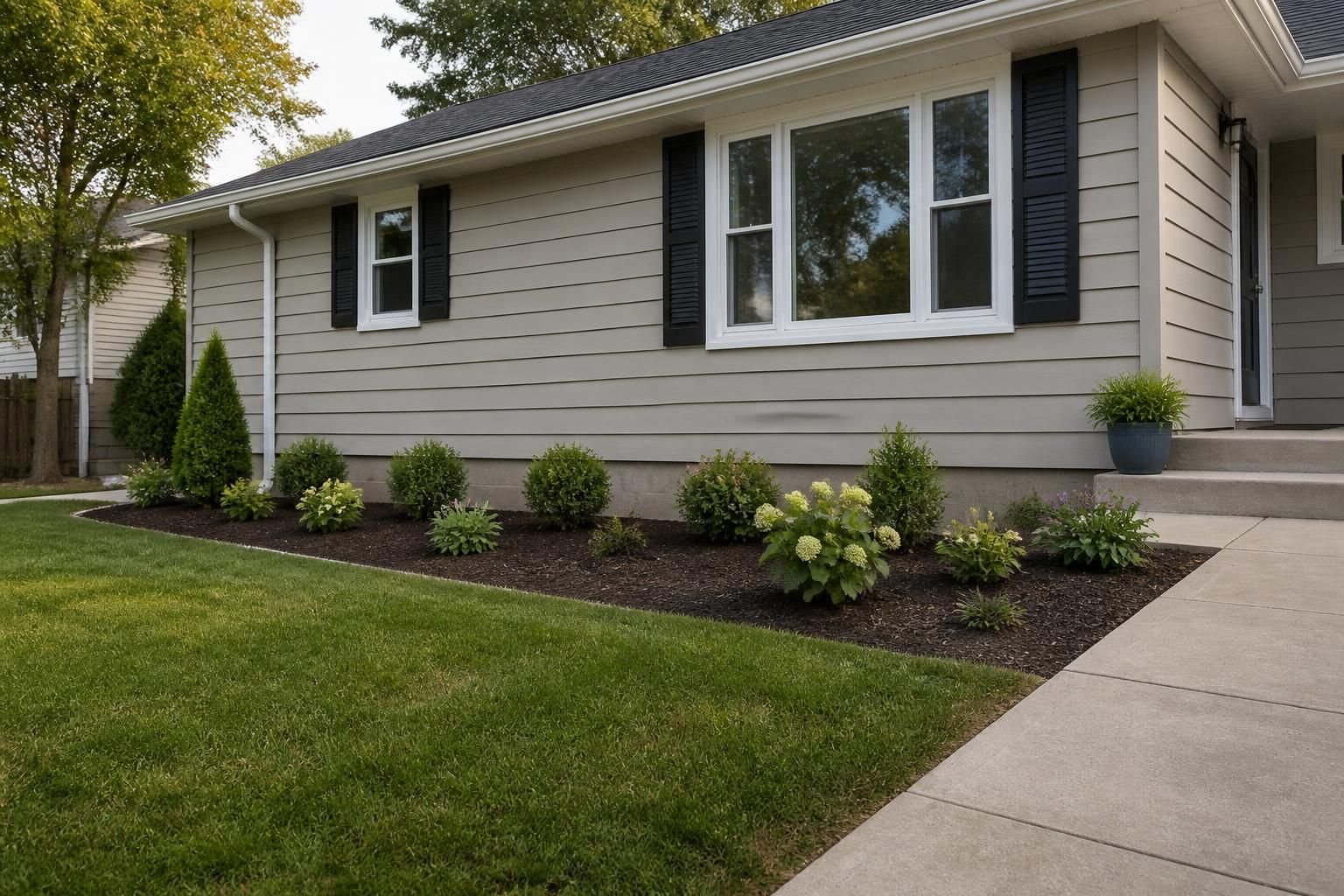
Pasadena Solid Foundation Repair helps Pasadena homeowners move water away from the slab with drainage that fits the lot. Water is one of the biggest reasons a foundation moves. When rain runs toward the house, sits along the slab, or soaks the same patch of soil again and again, the ground under the home stops behaving the way it should. Foundation drainage is the work of steering that water away and keeping the soil around the house steady.
Pasadena Solid Foundation Repair looks at how water moves across your property, where it collects, and where it goes when it leaves. If you have puddles by the walls, soil that stays soggy, or cracks that show up after big storms, a drainage plan may be the missing piece of your repair.
Drainage trouble often leaves clues outside the house before it shows up inside. A slow walk around the property after a rain can tell you a lot about what the foundation is dealing with.
Inside, the same water problem can show up as new cracks, doors that stick after wet weather, or a musty smell in a closet along an exterior wall. These signs are easy to blame on the house itself, when the real cause is often the ground outside.
Grading matters as much as the pipes and gutters. Over the years, soil settles, flowerbeds get built up, and patios shift. A yard that once sloped away from the house can slowly flatten or even tip back toward it without anyone noticing.
Most Pasadena lots are flat. There is little natural slope to carry water off, so it moves slowly and tends to pool wherever the ground dips. Add heavy Gulf Coast rain and clay soil that takes in water slowly, and even a small low spot can hold water for days.
Problems also grow from small things over time. A downspout that was never extended, mulch piled against the slab, a fence line that blocks runoff, or a sprinkler head that sprays the wall can each add water right where you do not want it.
When one part of the foundation stays wet while the rest stays drier, the soil under that part softens and swells. That uneven condition can pull one side of the home down or push it up, and the slab and framing feel the stress.
Poor drainage does not only mean too much water. Areas that drain fast dry out quickly, shrink, and leave small gaps beside the slab, while soggy areas stay swollen. A good drainage plan keeps moisture more even around the whole house.
We start by walking the property with you. We look at the roofline and gutters, follow each downspout, check the grade around every side of the house, and note where water stands after rain.
Then we look at the foundation itself for signs that water has already done damage, such as cracks, sloping floors, or separated trim. That helps us decide whether drainage alone is enough or whether structural repair is also needed.
There is no single fix that works for every yard. The right mix depends on the slope, the soil, and how much water the house receives. These are the tools we reach for most often.
Reshaping the soil so the ground drops away from the foundation gives water a clear path to travel. Even a gentle slope near the walls can make a noticeable difference in how long water sits.
A French drain is a buried perforated pipe in a gravel-filled trench. It collects water from wet ground and carries it to a safe outlet. Surface drains, sometimes called catch basins, take in water that runs across the yard. Both need an exit point that does not simply move the problem onto a neighbor.
Roof water adds up fast. Clean gutters and downspouts that empty well away from the house, or into buried lines, keep a large amount of water from ever reaching the foundation edge.
Drainage work is often paired with a structural fix, so the repair for the water and the repair for the damage support each other.
Around Pasadena, the ground can stay wet for a long time after a storm because the land is low and flat and the clay drains slowly. Water that has nowhere to go simply sits against the foundation and soaks in.
Outlets are a real challenge on flat lots. A drain is only as good as the place it sends water. Depending on your property, that may be the street, a swale, or a lower part of the yard that is still well away from the house. We plan the exit before we plan the pipe.
Tree roots, buried utility lines, and fences also shape what is possible. Planning around them up front avoids surprises during the work and keeps the finished system easy to maintain.
When you schedule foundation drainage work with Pasadena Solid Foundation Repair, we keep the process simple and clear from the first visit.
Drainage work often changes the look of part of the yard, so we talk through the layout before any digging starts and tidy the area when the job is done.
Water problems rarely fix themselves. Each heavy rain adds more moisture to the same trouble spot, and the soil under the home keeps swelling and shrinking.
Fixing drainage early can protect your foundation from further movement and helps any repair you make hold up better. A house that has been repaired but still sits in a puddle may keep moving.
Pasadena Solid Foundation Repair can help you find the water problem and build a practical fix. If you see standing water near your home, it is worth calling before the next storm.
Pasadena homeowners deal with a mix of flat lots, clay soil, and strong rain. That mix makes drainage one of the most useful and most overlooked parts of foundation care. A well-planned drainage system keeps the soil moisture around your home steadier through both wet and dry seasons.
We work on homes of many ages across Pasadena and nearby areas. Older homes may have limited gutters or worn grading, while newer homes can have fresh fill or tight lots with little room for water to go. Our plans fit the property in front of us instead of following a template.
Much of this region sits on clay that swells when wet, shrinks when dry, and drains slowly. Heavy rain from Gulf storms can leave the ground saturated for days, and long dry spells then pull moisture back out. Drainage work aims to soften those swings by keeping runoff moving away from the slab and keeping the soil beside it from acting like a sponge.
Standing water near the house, soil that slopes toward the walls, overflowing gutters, or cracks that get worse after rain are all good reasons to have drainage checked.
Drainage can stop water from making movement worse, but it does not repair damage that has already happened. Many homes need both a drainage fix and a structural repair.
No. Sometimes regrading and better downspouts are enough. A French drain makes sense when water keeps collecting even after the grade and gutters are corrected.
That depends on your lot. Common outlets include the street, a swale, or a lower area of the yard well away from the house. We plan the outlet before any work starts.
Some digging is needed, so parts of the yard may be disturbed. We talk through the layout ahead of time and work to protect key areas such as trees and beds where we can.
Related services include Foundation Inspection, Slab Foundation Repair, and Crawl Space Repair.
We serve homeowners across Pasadena and nearby communities, including La Porte, Cloverleaf, and Galena Park. If you are still weighing options, How Poor Drainage Causes Foundation Problems in Pasadena covers the background.
Water that pools beside a house rarely fixes itself. Book a visit and we will trace where the water comes from, show you what it is doing to the soil, and lay out a drainage fix that fits your lot.
Call +17139292237 to book your drainage visit.
Start with an Inspection
Tell us what you are seeing, from cracks and sticking doors to sloping floors or drainage trouble. We will inspect the property, explain what is happening, and recommend the right repair path.