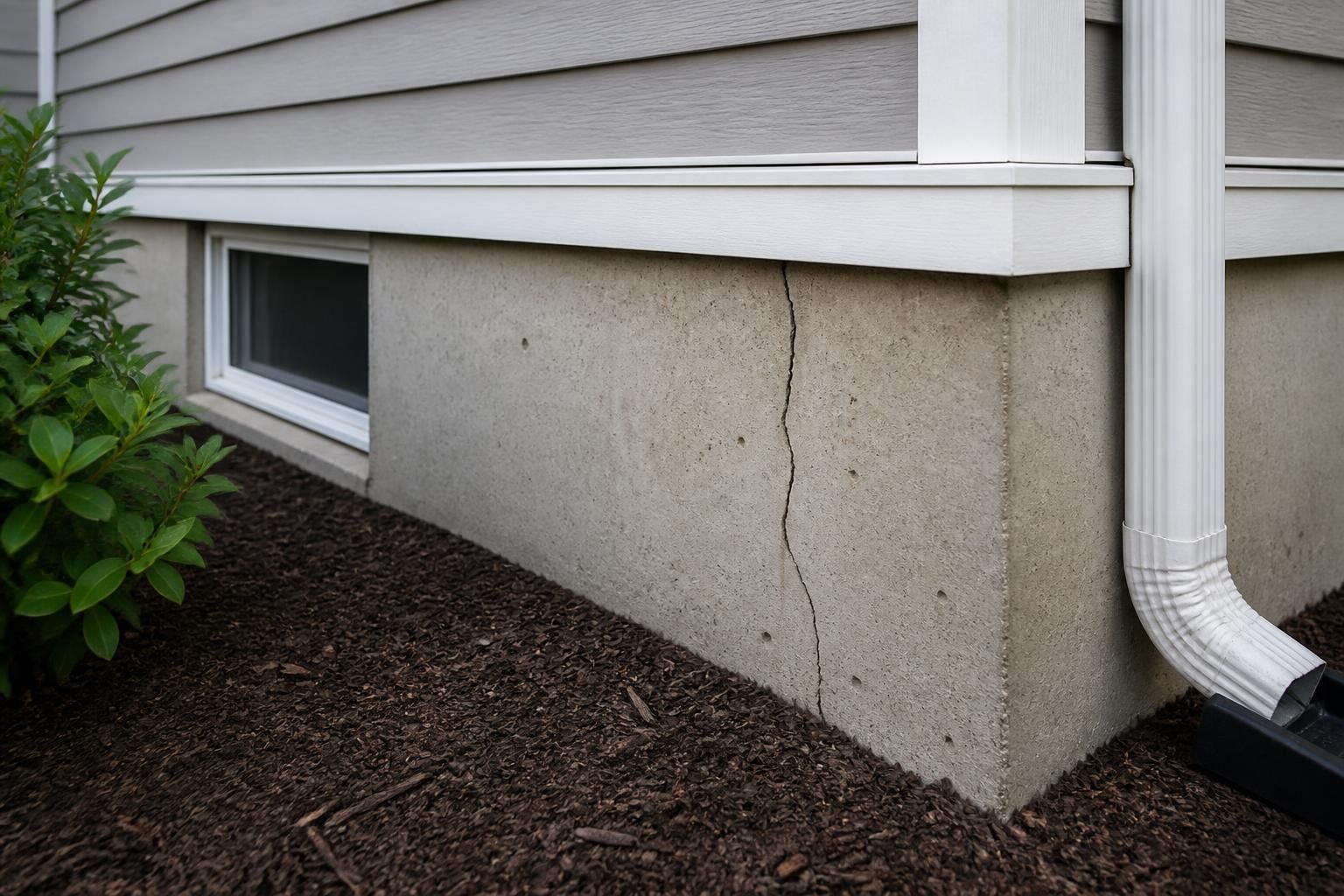
Pasadena Solid Foundation Repair inspects foundations and explains what is going on in plain terms across Pasadena, TX. Cracks spreading across a wall, a door that no longer latches, or a floor that feels uneven can be the first signs that something is shifting below your home. If you are seeing those changes at your Pasadena property, a foundation inspection is the right next step before the movement gets worse.
Pasadena Solid Foundation Repair checks for the real cause behind the symptoms, whether that points to slab movement, pier-and-beam concerns, drainage trouble, or moisture changes under the structure. We look at what is happening, explain it clearly, and help you understand what needs attention first.
Not every crack means major structural damage, but certain patterns deserve a closer look. A foundation inspection helps separate ordinary settling from movement that can keep growing.
When more than one of these signs shows up, it is worth having the structure looked at before the damage spreads through more of the building.
A careful foundation inspection goes beyond a quick walk-through. We focus on the parts of the structure and site conditions that can cause movement or show where it has already started.
We evaluate visible signs of settling, shifting, or stress across the foundation and the areas connected to it. That includes the slab, the framing above it, and any sections that show uneven movement.
Because water changes the soil around a foundation, we also look for drainage and moisture issues that may be contributing to the problem. On Gulf Coast properties, this is often a major part of the story.
We examine crawl space conditions, pier-and-beam support areas, and the spaces where cracks, separations, or tilting show up first. Those clues help us identify whether the problem is isolated or part of a wider shift.
Pasadena Solid Foundation Repair keeps the process straightforward so you know what is being checked and why. The goal is not to overwhelm you with jargon. It is to give you a clear read on the structure.
That process helps homeowners and property managers make informed decisions without guessing at the root of the issue.
Pasadena properties often deal with the same clay soil behavior found across the Houston area. Clay swells when it takes on water and shrinks when it dries out, and that constant change can create pressure on a foundation over time. An inspection is useful because the surface damage often shows up long after the soil has started to move.
Water can make the problem worse. When drainage is poor or the ground stays saturated, the soil around the foundation may soften and shift. During dry stretches, the soil can pull away and leave support uneven. A good inspection looks at those conditions together instead of treating the cracks as a separate problem.
We inspect more than just single-family homes. Pasadena includes a wide mix of properties, and each one can show foundation stress differently.
Slab homes, pier-and-beam homes, and properties with crawl space concerns can all benefit from a detailed inspection when floors start to slope or interior finishes begin to separate.
Warehouses, facilities, and other commercial or industrial spaces may show movement through cracking, uneven surfaces, or shifting concrete areas. Those symptoms can affect daily use, access, and long-term repair planning.
Pasadena Solid Foundation Repair adapts the inspection to the type of property so the findings reflect how the structure is actually built and used.
An inspection does not mean every property needs the same fix. It means you get a better picture of what the foundation is telling you. Depending on what we find, next steps may involve one or more structural and surface repairs.
We focus on the source, not just the visible symptom, so the recommendation matches the condition of the property.
A foundation issue rarely stays small forever. Cracks can widen, floors can shift more noticeably, and doors or windows can become harder to use as movement continues. An inspection helps you understand how much is happening now and what may happen if the underlying cause is left alone.
It also helps prevent unnecessary repairs. Sometimes the problem is concentrated in one area. Sometimes the structure needs broader attention. A clear inspection gives you the information to choose the right path instead of guessing.
For Pasadena property owners, that matters because the same clay soil and moisture conditions that create movement can also make the pattern repeat if the source is not addressed.
Because Pasadena's expansive clay moves so much with the seasons, a professional inspection is the smartest first step before any foundation work. Symptoms come and go with our wet-and-dry Gulf Coast cycle, so it takes a trained eye — and often elevation measurements — to tell normal seasonal movement from active settlement that needs repair.
Our inspection reviews the interior, exterior, foundation type, soil, and drainage around your Pasadena property, and checks for hidden causes like the under-slab plumbing leaks common in older homes here. We then explain in plain language what is happening and outline the most practical options, so you can decide with confidence before committing to a repair.
Pasadena sits on flat Gulf Coast clay beside the Houston Ship Channel — an area with one of the most severe land-subsidence histories in the country, driven by decades of groundwater withdrawal. Between that regional settling, expansive Beaumont clay that swells and shrinks with moisture, and a high water table close to Galveston Bay, movement here can come from more than one source at once. A credible Pasadena inspection therefore measures elevations across the whole slab, checks perimeter moisture, and reviews how water drains off a low, flood-prone lot, rather than reading the visible cracks alone.
Most people call after they notice cracks, sticking doors, sloping floors, or gaps around trim and windows. Any pattern that seems to be growing is worth checking.
Not always. One crack can come from surface movement, but repeated cracks or cracks paired with sticking doors and uneven floors deserve a closer look.
Yes. Soil that stays too wet or dries too quickly can shift, swell, or shrink around the structure. That movement often shows up through cracks and floor changes.
Yes. We inspect pier-and-beam structures, crawl spaces, and slab foundations, since each type can show different signs of stress.
It will give you a clear picture of what is causing the problem and what type of repair may fit the condition. The findings help narrow down the right next step.
Yes. We inspect commercial and industrial properties as well, including structures where foundation movement shows up through concrete or support changes.
If your Pasadena property is showing signs of movement, a foundation inspection can help you get ahead of the damage. Pasadena Solid Foundation Repair serves homeowners and property owners who want a clear explanation and a practical path forward.
We serve homeowners across Pasadena and nearby communities, including La Porte, Friendswood, and Webster. If you are still weighing options, How Long Does Foundation Repair Take for Pasadena Homes? covers the background.
Call +17139292237 to schedule your inspection.
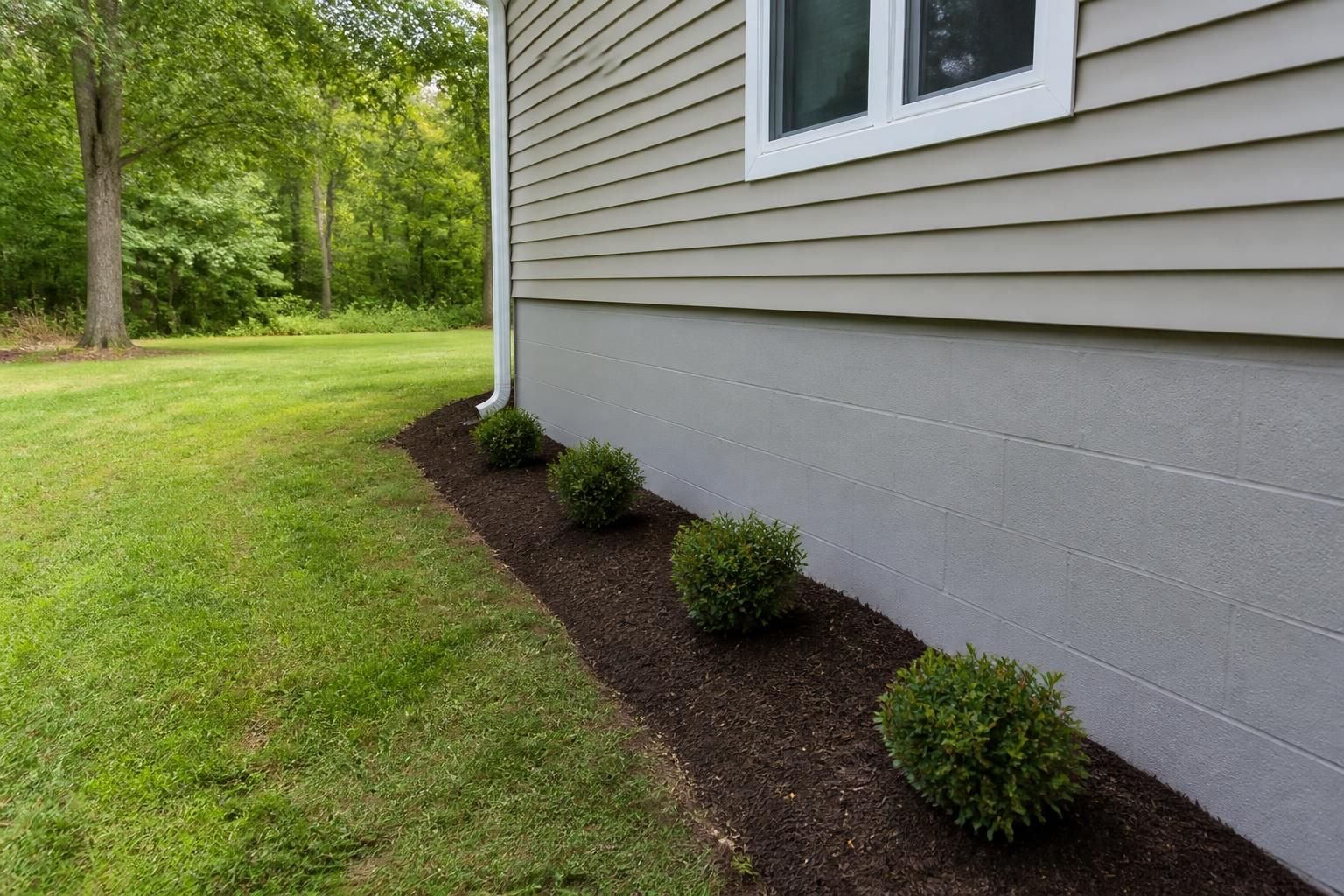
Start with an Inspection
Tell us what you are seeing, from cracks and sticking doors to sloping floors or drainage trouble. We will inspect the property, explain what is happening, and recommend the right repair path.