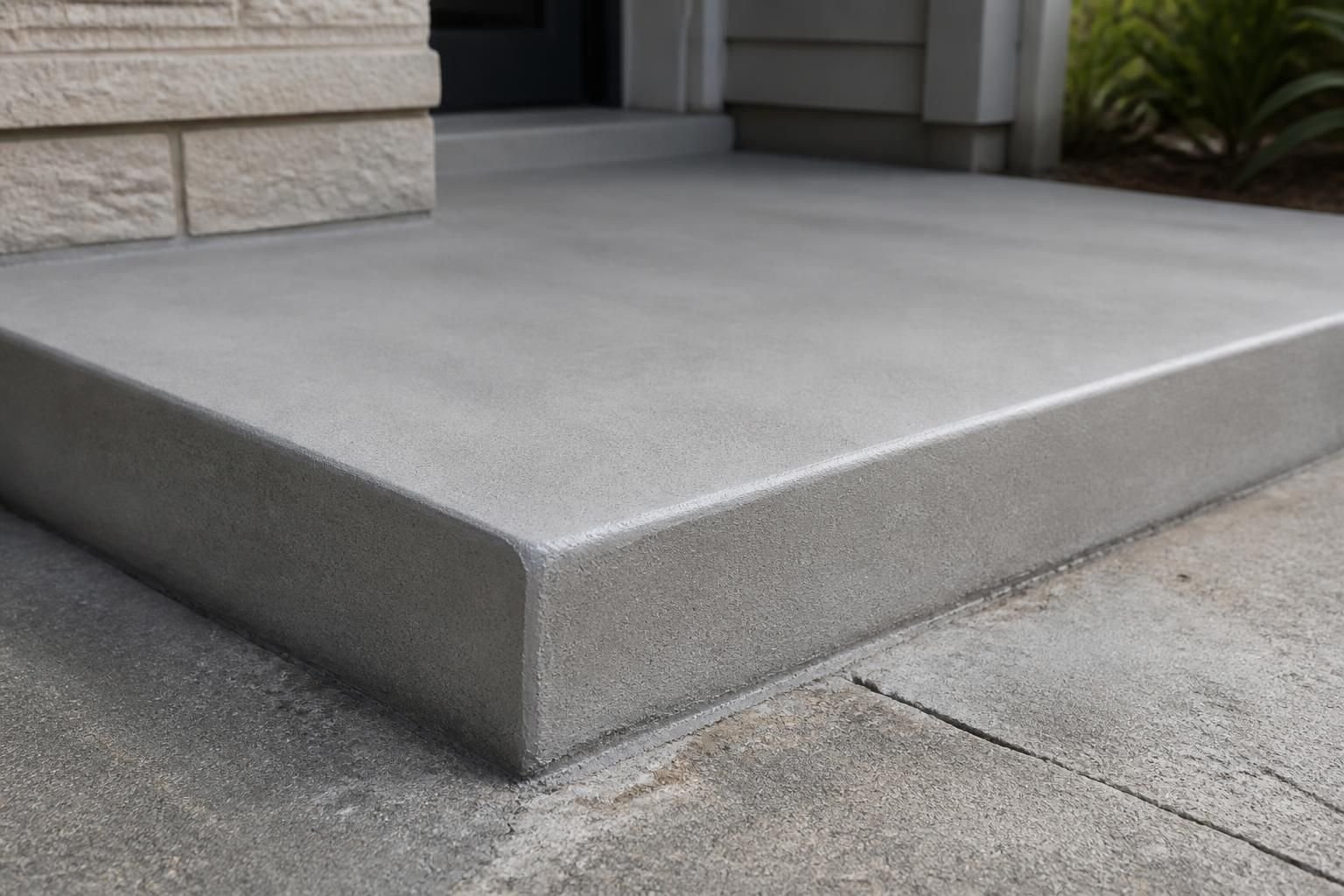
Pasadena Solid Foundation Repair repairs cracked and sinking concrete slabs in Pasadena, TX. Cracks spreading across a slab, doors that start dragging, or a floor that feels uneven are signs your concrete may be moving more than it should. If you are seeing widening gaps, separated trim, or slab edges that no longer feel level, it is time to have the problem looked at before the damage spreads.
At Pasadena Solid Foundation Repair, we provide concrete slab repair for Pasadena properties with a focus on finding what is driving the movement. Our work starts with a careful inspection so we can explain whether the issue points to soil movement, moisture-related shifting, or another structural concern tied to the slab.
Concrete slab trouble rarely starts with one dramatic failure. It usually begins with small changes that become easier to notice over time. Homeowners often call after seeing cracks that keep growing, flooring that feels off, or interior doors that no longer close without force.
Common signs your slab may need attention include:
Not every crack means a structural repair is needed, but repeated movement usually points to more than surface wear. We look for patterns that show whether the slab is settling, lifting, or reacting to conditions below it.
In Pasadena, slab movement is often tied to the soil beneath the structure and the way moisture changes around it. When soil expands, contracts, or washes away from key areas, the slab loses support and begins to shift. That movement can show up slowly, then become more obvious after periods of heavy moisture or dry conditions.
Expansive clay and unsettled fill can create uneven pressure under the slab. Some areas hold support while others drop away, which leaves the concrete carrying load where it was never meant to carry it.
Water that pools near the foundation, drips along one side of the home, or saturates the soil under the slab can cause the ground to swell and soften. When the soil dries back out, it may shrink away and leave voids that allow the slab to settle.
Repeated stress from the structure above the slab can make existing weak spots more noticeable. Once movement starts, small surface cracks can become a clearer sign that the slab needs correction rather than cosmetic patching.
Pasadena Solid Foundation Repair takes a straightforward approach to concrete slab repair. We want you to understand what is happening, what is being addressed, and what the repair is meant to stabilize. The goal is not to cover up symptoms, but to deal with the source of the movement.
This process helps Pasadena property owners make decisions with more clarity. Instead of guessing at the cause, you get a clear explanation tied to the actual condition of the slab.
Concrete slab repair is not a one-size job. The right approach depends on how the slab has moved and how the surrounding structure is responding. Some slabs need correction because they have settled unevenly. Others need attention because cracks are opening and transferring stress into nearby surfaces.
When slab cracks are active or creating additional stress, repair may focus on stabilizing the damaged area and reducing the chance of further movement. This can help keep the problem from spreading into interior finishes.
If part of the slab has shifted enough to create uneven surfaces or structural strain, level correction may be part of the solution. This helps restore a more even foundation profile so the structure above it is not forced to adapt to the movement.
Where the slab has lost support, the repair must address the weak point below the concrete. Restoring support is often the most important part of lasting slab work because the concrete itself cannot hold up if the soil continues to fail underneath it.
Every slab problem tells a story. Some properties show cracks from one side to the other, while others develop isolated settling at a corner or along one exterior edge. In Pasadena, those patterns often point back to changing soil conditions and drainage concerns around the structure.
When the ground under a slab changes unevenly, the slab responds by bending, settling, or pulling apart at stress points. That is why a small crack near a room corner can be a sign of a larger support issue below the surface. The visible damage is often just the first clue.
We take the time to trace those clues. That means looking beyond the crack itself and into the way the slab sits, how it meets the rest of the structure, and whether moisture or voids are likely part of the problem.
If you are seeing signs of slab movement, it helps to act before the damage becomes harder to manage. A slab that keeps shifting can affect finishes, framing, and daily use of the home. The earlier the problem is reviewed, the more options you usually have for controlling it.
Before your inspection, it can help to note:
Sharing those details helps us narrow the cause faster and focus the inspection on the areas most likely to be involved.
We provide concrete slab repair for Pasadena property owners and nearby communities across the area, including La Porte, South Houston, Channelview, Friendswood, Cloverleaf, Seabrook, Webster, Galena Park, Jacinto City, Stafford, and Golden Acres. Pasadena Solid Foundation Repair works with both homes and properties that need slab repair tied to the conditions common across this part of the region.
Call +17139292237 to schedule your inspection.
Interior and exterior concrete slabs across Pasadena crack and settle for the same reason foundations do — the expansive Beaumont clay underneath moves with every change in moisture. Add the heavy rain, flooding, and heat of the Gulf Coast, and slabs poured on this ground often develop cracks, uneven sections, and low spots that collect water.
We repair and stabilize settling slabs by supporting the affected areas and lifting them back toward level, addressing the soil movement or drainage that caused the problem in the first place. Catching slab settlement early in our climate usually means more repair options and a lower cost than waiting for the damage to spread.
When an interior slab section in a Pasadena home cracks or drops, the cause is usually the same expansive coastal clay and uneven moisture that affect the whole foundation, sometimes worsened by an under-slab plumbing leak saturating the ground. We locate the real cause, restore support, and address the moisture source so the repaired slab stays put on soil that is prone to seasonal and long-term movement.
A slab crack can mean simple surface stress, but it can also point to settlement, soil movement, or support loss below the concrete. The pattern, width, and location of the crack matter.
Yes. When a slab shifts, it can distort the frame above it. That often shows up as sticky doors, windows that do not latch easily, or trim that begins to separate.
That usually means the slab is not being supported evenly. One section may be settling faster than the rest, which creates an uneven feel underfoot.
Not always. Some hairline cracks are minor, but cracks that grow, widen, or appear alongside other symptoms deserve a closer look.
Yes. Moisture changes can swell soil, soften support, or wash material away from under the slab. Later drying can leave gaps that allow more settlement.
Related services include Slab Foundation Repair, Concrete Driveway Repair, and Concrete Paving.
We serve homeowners across Pasadena and nearby communities, including Webster, Friendswood, and Stafford. If you are still weighing options, Why Heavy Rain Can Cause Foundation Settlement in Pasadena covers the background.
If the crack is paired with sloping floors, sticking doors, or repeated movement, it may be structural rather than cosmetic. An inspection helps sort out the difference.
If your Pasadena property is showing signs of slab movement, Pasadena Solid Foundation Repair can inspect the damage and explain what is going on beneath the surface. We focus on the cause, not just the visible crack, so you can make a practical decision about the next step for your home or building.
Start with an Inspection
Tell us what you are seeing, from cracks and sticking doors to sloping floors or drainage trouble. We will inspect the property, explain what is happening, and recommend the right repair path.