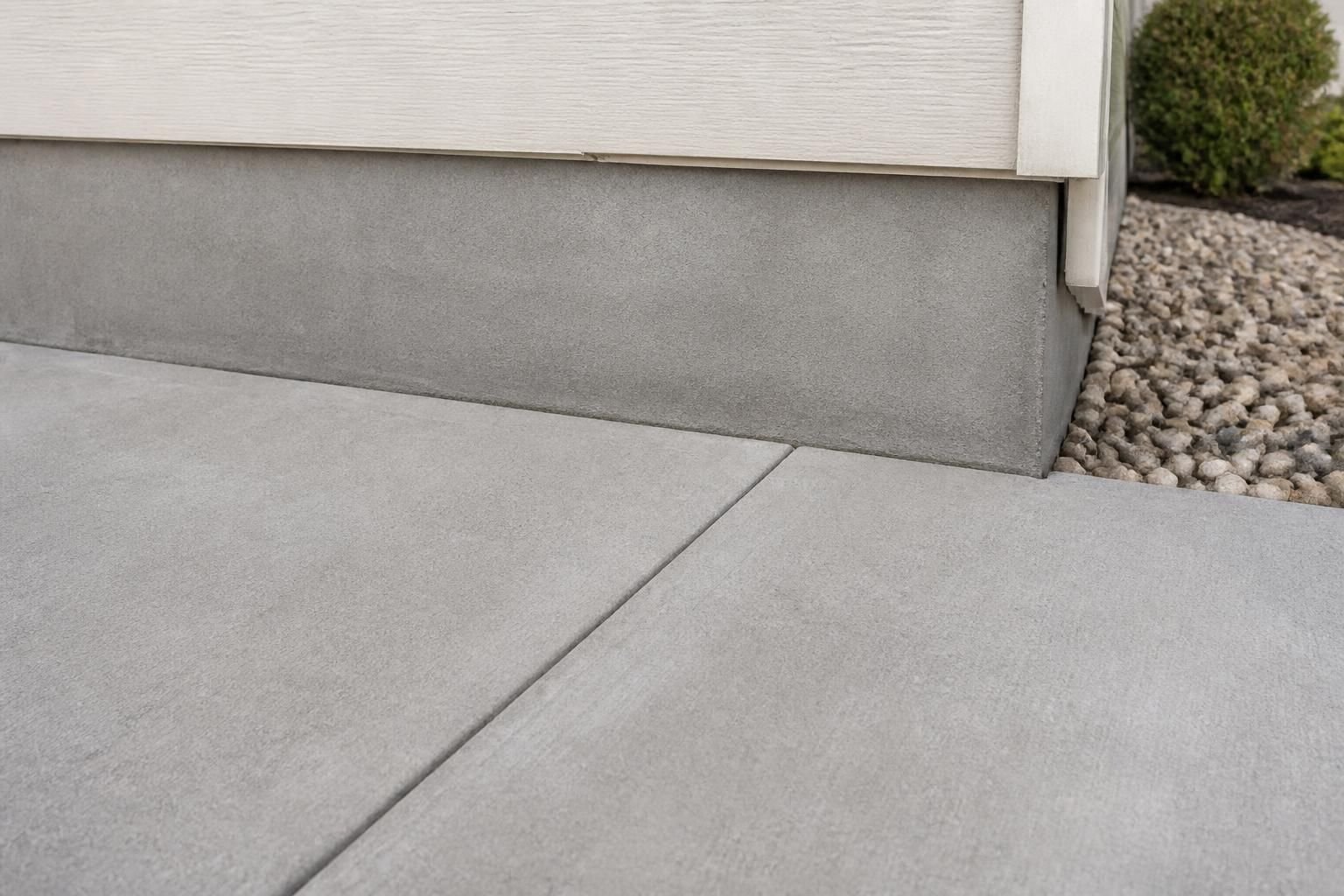
Pasadena Solid Foundation Repair repairs settling and cracked slab foundations in Pasadena, TX. Cracks along walls, doors that start sticking, or a floor that no longer feels level can point to slab movement. In Pasadena, those signs often get worse when changing soil moisture begins pushing and pulling on the foundation beneath the home.
Pasadena Solid Foundation Repair can inspect the slab, identify what is driving the movement, and recommend a repair approach that addresses the source, not just the visible damage. If you have noticed new cracks, gaps, or sloping floors, a careful slab foundation repair plan is the right next step.
Slab problems usually announce themselves before major damage shows up. Some signs are easy to spot, while others reveal themselves only when everyday routines start feeling off.
Not every crack means a slab repair is needed, but repeated movement is a sign to take a closer look. When the same areas keep changing, the soil beneath the home may be shifting with moisture changes.
Hairline settling marks can appear in many homes, but stair-step cracks, widening gaps, or cracks that return after patching deserve attention. The pattern matters as much as the crack itself.
In Pasadena and the surrounding area, expansive clay soil is a major reason slabs move. That soil swells when it absorbs water and shrinks when it dries out. The home then rides that movement, which can create stress across the slab and framing above it.
Drainage problems can make the movement worse. If water collects near the foundation or soil stays saturated too long, the slab may settle unevenly. During dry periods, the same soil can pull away and create voids that leave part of the foundation unsupported.
The problem is often not one single event. It is the repeated cycle of wet and dry conditions that slowly shifts the slab over time.
When one side of the foundation bears more weight than another, the slab can tilt, sink, or crack. A repair plan should focus on restoring support where it has been lost.
Pasadena Solid Foundation Repair starts with a detailed inspection to understand how the slab is moving and what conditions may be contributing to it. That means looking at symptoms inside the home, outside around the structure, and across the areas where the slab appears stressed.
We explain findings in plain language so you can understand what is happening and why a particular repair approach makes sense. A strong plan starts with the right diagnosis.
We look for cracks, slope, separation, and other signs that point to movement.
We note where the damage appears and whether it suggests settlement, heaving, or another type of slab shift.
We consider drainage, moisture patterns, and structural symptoms together rather than treating each sign on its own.
We outline the repair path that fits the condition of the slab and the needs of the property.
Slab foundation repair can involve different approaches depending on how far the movement has progressed and what the home needs most. The goal is to stabilize the structure and reduce ongoing stress on the slab.
When sections of a slab have shifted out of balance, leveling work may be needed to bring the foundation back toward a more even position. This can help ease strain on doors, floors, and wall finishes.
Cracked or stressed slab areas may need direct repair to address the damaged concrete and support beneath it. The focus is on restoring stability, not just covering the surface.
Cracks can be a symptom of movement, but they also let water and debris enter vulnerable areas. Repairing visible cracks helps protect the slab while the underlying cause is addressed.
Depending on the condition of the home, a repair plan may also include related work that supports the slab, such as concrete slab repair or drainage-focused corrections tied to the cause of movement.
Slab foundations across Pasadena can behave differently from one property to the next because soil conditions and water movement vary around the lot. That is why a repair approach that works for one home may not fit another.
Expansive clay does not move only once. It changes with weather and moisture patterns over time. A slab that has already shifted may continue to show stress unless the underlying cause is considered alongside the visible damage.
That is especially important for homes that have already had patch repairs. If the movement source remains active, the same cracks can keep returning and the floor can continue to drift out of level.
When you schedule slab foundation repair with Pasadena Solid Foundation Repair, the process is built around clarity. You should know what was found, what it means, and what the next step will do for the home.
We work with homeowners who want the problem explained without guesswork. That means showing how the slab, the soil, and the symptoms all connect.
Small movement can become larger movement when it is left alone. A slight slope can grow into wider cracking, more noticeable separation, and doors or windows that stop lining up the way they should. The longer the slab shifts, the more strain it can place on the rest of the structure.
Addressing the problem early may help limit additional damage and make the repair path more straightforward. Even if the symptoms seem minor, it is worth checking whether the slab is settling or lifting unevenly.
Pasadena Solid Foundation Repair handles slab foundation repair for Pasadena properties that need a clear diagnosis and a practical repair plan. If you are seeing changes inside the home, we can help determine what is happening below it.
Most homes across Pasadena, Deer Park, and the surrounding Ship Channel communities sit on concrete slab foundations poured over expansive Beaumont clay. That clay swells with every heavy Gulf Coast rain and shrinks through the dry Texas summer, and the repeated movement is what cracks slabs, tilts floors, and pulls doors out of square here. Because our terrain is flat and the water table sits high, moisture rarely leaves the soil evenly, so one corner of a slab can settle while another stays put.
Our slab repair work in Pasadena stabilizes the affected sections with piers driven down to stable support, then lifts the slab back toward level. We factor in local conditions — nearby drainage, tree roots pulling moisture from the clay, and the under-slab plumbing leaks common in older Pasadena homes — so the repair addresses the real cause rather than just the symptom.
Nearly every Pasadena subdivision is built on slab-on-grade foundations sitting on expansive Beaumont clay. That clay swells when heavy Gulf rain saturates it and pulls away from the slab during drought, so slabs here crack from repeated flexing rather than a single settlement. A high water table near the channel and bay keeps moisture unstable, and the area's subsidence history adds long-term settling. Our slab repairs are built around that reality — restoring support and controlling the moisture swings that caused the movement.
Common signs include sticking doors, sloped floors, cracks in drywall, and gaps where trim meets walls or ceilings. These symptoms often appear before the foundation damage feels severe.
Yes. Some cracks are tied to localized movement, while others reflect larger structural changes. The crack pattern and surrounding symptoms help show how serious the issue may be.
No. Some cracks come from normal material movement, while others point to soil-related shifting. An inspection helps separate surface damage from structural change.
When support under part of the slab changes, the surface above it can slope or settle unevenly. That movement can make walking areas feel off balance or cause furniture to sit strangely.
Yes. Too much water near the foundation can soften soil and create settlement, while dry conditions can pull soil away and leave gaps under the slab. Both can add stress.
Related services include House Leveling, Pier & Beam Foundation Repair, and Foundation Crack Repair.
We serve homeowners across Pasadena and nearby communities, including Deer Park, La Porte, and South Houston. If you are still weighing options, Signs of Foundation Problems in Pasadena Homes covers the background.
The plan depends on the type of movement, the location of the damage, and what the inspection shows about the causes. The goal is to match the repair to the actual condition of the slab.
If you live in Pasadena and have noticed cracks, uneven floors, or doors that no longer close right, now is the time to have the slab looked at. Pasadena Solid Foundation Repair is ready to inspect the problem, explain what is happening, and help you move toward a lasting repair plan.
Call +17139292237 to schedule your inspection.
Start with an Inspection
Tell us what you are seeing, from cracks and sticking doors to sloping floors or drainage trouble. We will inspect the property, explain what is happening, and recommend the right repair path.