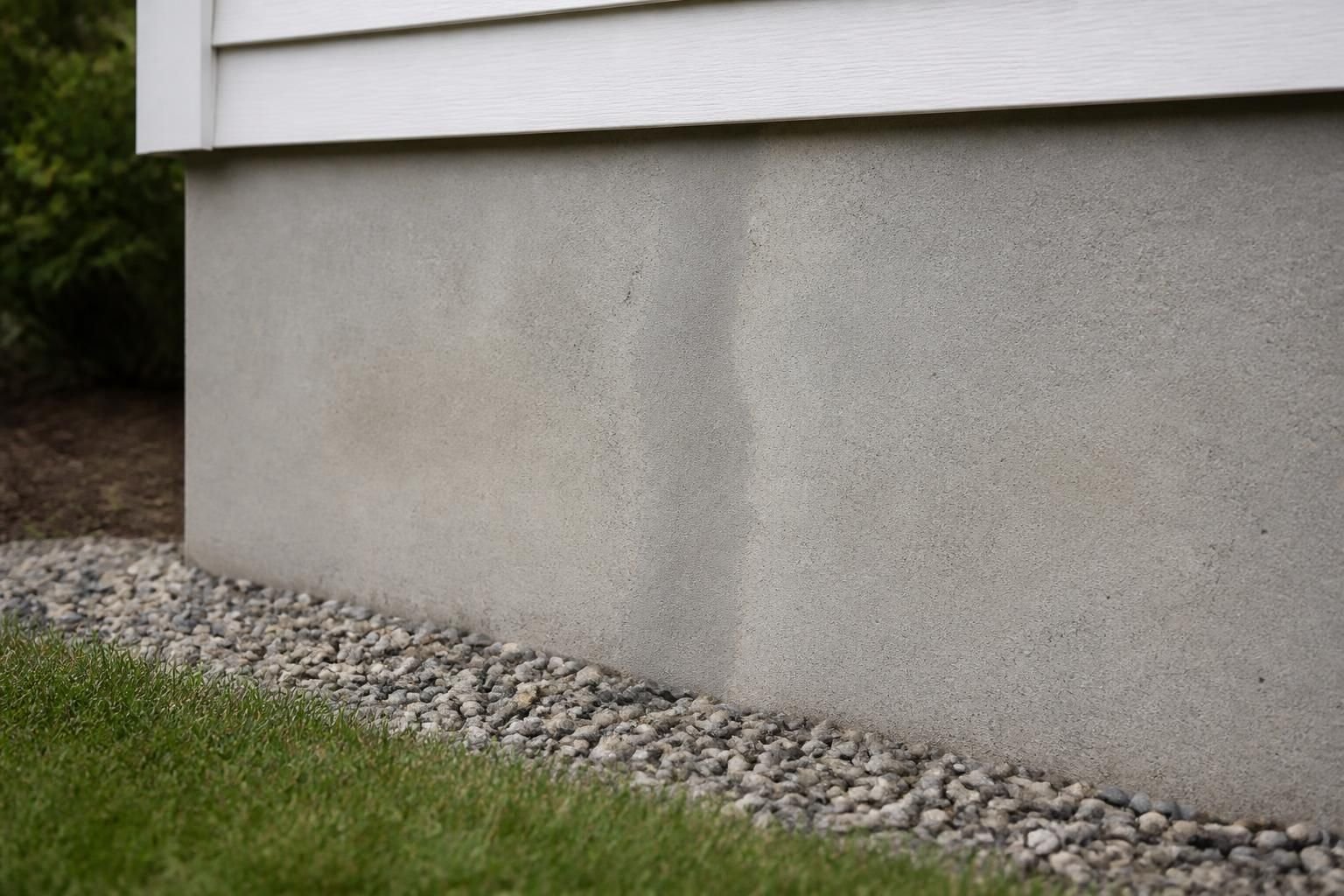
Pasadena Solid Foundation Repair repairs foundation, wall, and slab cracks in Pasadena, TX. Cracks along a foundation rarely stay cosmetic for long. If you have noticed widening lines, stair-step cracking, gaps near trim, or doors that no longer close the way they should, the structure may be moving under your feet. In Pasadena, that movement often ties back to clay soil shifting with moisture changes, so the crack is usually a symptom, not the whole problem.
Pasadena Solid Foundation Repair starts with a careful inspection of the crack pattern, the soil conditions around the property, and the signs inside the home or building. We look for what is causing the stress, then recommend foundation crack repair that addresses the source rather than covering the damage. If you are seeing new cracks or old ones getting worse, the next step is a clear evaluation before the movement spreads.
Not every crack means the same thing, but certain patterns deserve attention fast. A surface line in drywall is different from a crack that runs through the foundation itself, and the distinction matters. We look at how the crack starts, where it travels, and whether the surrounding structure shows strain.
Some cracks appear after a dry stretch, then reopen after rain returns. That cycle is common where soil expands and contracts around the foundation. If the crack keeps changing, it is time to have it checked.
Foundation cracks usually form because the structure is reacting to soil movement, moisture changes, or both. Pasadena properties often sit on clay-heavy ground, and clay changes volume as it gets wet and dries out. That creates pressure and settlement patterns that can stress slab foundations and pier-and-beam systems alike.
When clay absorbs water, it swells and can push upward against a slab or foundation wall. That pressure may open cracks, lift part of the structure, or shift load from one area to another.
When the ground dries out, clay pulls back. Voids can form beneath parts of the foundation, leaving sections unsupported. Over time, that can create uneven settling and visible crack lines.
Poor drainage around a property can keep water collecting near the base of the structure. That repeated saturation makes the ground unstable and often leads to recurring foundation damage unless the moisture source is addressed as part of the repair.
Pasadena Solid Foundation Repair begins by checking the crack itself, then reading the rest of the structure for clues. A crack can tell part of the story, but not all of it. We look for related symptoms that help us determine whether the problem is local or part of a larger foundation movement pattern.
We examine visible foundation cracks, separation points, and signs of soil disturbance around the property.
We look for sticking doors, sloping floors, and matching cracks that appear inside the building.
We study where the structure seems to have shifted so the repair matches the actual cause.
We explain what the crack likely means and which repair path makes the most sense for the property.
This process helps avoid surface-only fixes when the foundation still moves. It also keeps the repair focused, so you are not overcorrecting one area while ignoring the true source.
Foundation crack repair is not one-size-fits-all. The right solution depends on what type of crack you have, how far the structure has shifted, and whether the foundation needs support, leveling, or moisture-related correction alongside the crack repair itself. We work on slab foundation repair, pier-and-beam foundation repair, and related structural work for Pasadena properties.
Small cracks that have not been caused by active movement may need targeted repair and monitoring. The goal is to stabilize the area and reduce the chance of the crack opening further.
If the foundation has dropped or shifted, the crack may not close without additional structural correction. In those cases, house leveling or slab foundation repair may be part of the solution.
When drainage or saturated soil is part of the cause, repair plans may need to account for the water problem as well. Without that step, the same conditions can keep stressing the foundation.
Common services that may support crack repair:
A foundation crack often starts small, then becomes easier to ignore than to fix. That is where trouble grows. As movement continues, the crack can widen, nearby finishes may separate, and the repair can become more involved. Addressing the issue sooner gives the structure a better chance of being corrected before the stress spreads.
Early attention also helps with diagnosis. A crack that is still active tells us more than one that has been patched over several times. When we can see the pattern clearly, we can recommend a repair that fits the actual behavior of the foundation.
Some Pasadena properties need more than a crack repair alone. When the foundation has shifted enough to affect the whole structure, the repair plan may include leveling, raising, or concrete work that supports the foundation system. Pasadena Solid Foundation Repair handles those related services so the crack repair can connect to a larger structural fix when needed.
That may involve house raising for certain structures, concrete slab repair for damaged surfaces, driveway repair where movement has shown up beyond the main foundation, or commercial foundation repair for larger buildings and industrial properties. The important part is matching the repair to the way the property has actually moved.
Foundation cracks rarely appear alone. Property owners often call after seeing one symptom, then realize several others are connected. The more of these signs you notice together, the more likely the crack is tied to foundation movement rather than a simple cosmetic issue.
If these changes are showing up at the same time as a crack, the foundation deserves a closer look. A repair that only treats the visible line may leave the underlying movement untouched.
Cracks are usually the first visible sign a Pasadena foundation is reacting to the expansive clay beneath it. As the soil swells and shrinks with our wet-and-dry Gulf Coast cycle, pressure builds against slabs and walls, opening hairline cracks that can widen over time — and along the coast, cracks that let in water and humidity can worsen quickly.
Not every crack is structural, which is why we inspect before recommending a fix. Some Pasadena homes need only targeted crack sealing, while cracks tied to active settlement call for stabilization at the source. We look at where the crack appears, whether it is growing, and what the surrounding soil and drainage are doing to choose the right approach.
Cracks in Pasadena homes usually trace back to expansive coastal clay that shifts with moisture, a high water table near the Ship Channel, and flat terrain that drains slowly after heavy rain. Because the soil moves unevenly across a lot, one part of the foundation lifts or drops relative to another and cracks open in the slab, brick, and drywall. We repair the cracks only after addressing the soil movement and drainage driving them, so the fix actually lasts.
Cracks that widen over time, run through masonry, or appear with other movement signs often point to a structural issue. The pattern matters as much as the crack itself.
Yes, if the underlying soil or moisture problem is still active. That is why the diagnosis matters before repair work begins.
No. Some cracks are isolated and limited. Others signal broader movement. An inspection helps separate the two.
Watch for crack growth, new sticking doors, or changes in floor slope. Moisture swings often reveal whether movement is still active.
Yes. Exterior and interior cracks can show the same foundation shift from different angles, so both deserve attention.
Yes. We also work on commercial and industrial properties across the area, including foundation concerns tied to concrete and slab structures.
Related services include House Leveling, Foundation Drainage, and Slab Foundation Repair.
We serve homeowners across Pasadena and nearby communities, including Deer Park, Cloverleaf, and Golden Acres. If you are still weighing options, 7 Signs Your Pasadena Home Needs Foundation Repair covers the background.
Call +17139292237 to schedule your inspection.
Start with an Inspection
Tell us what you are seeing, from cracks and sticking doors to sloping floors or drainage trouble. We will inspect the property, explain what is happening, and recommend the right repair path.