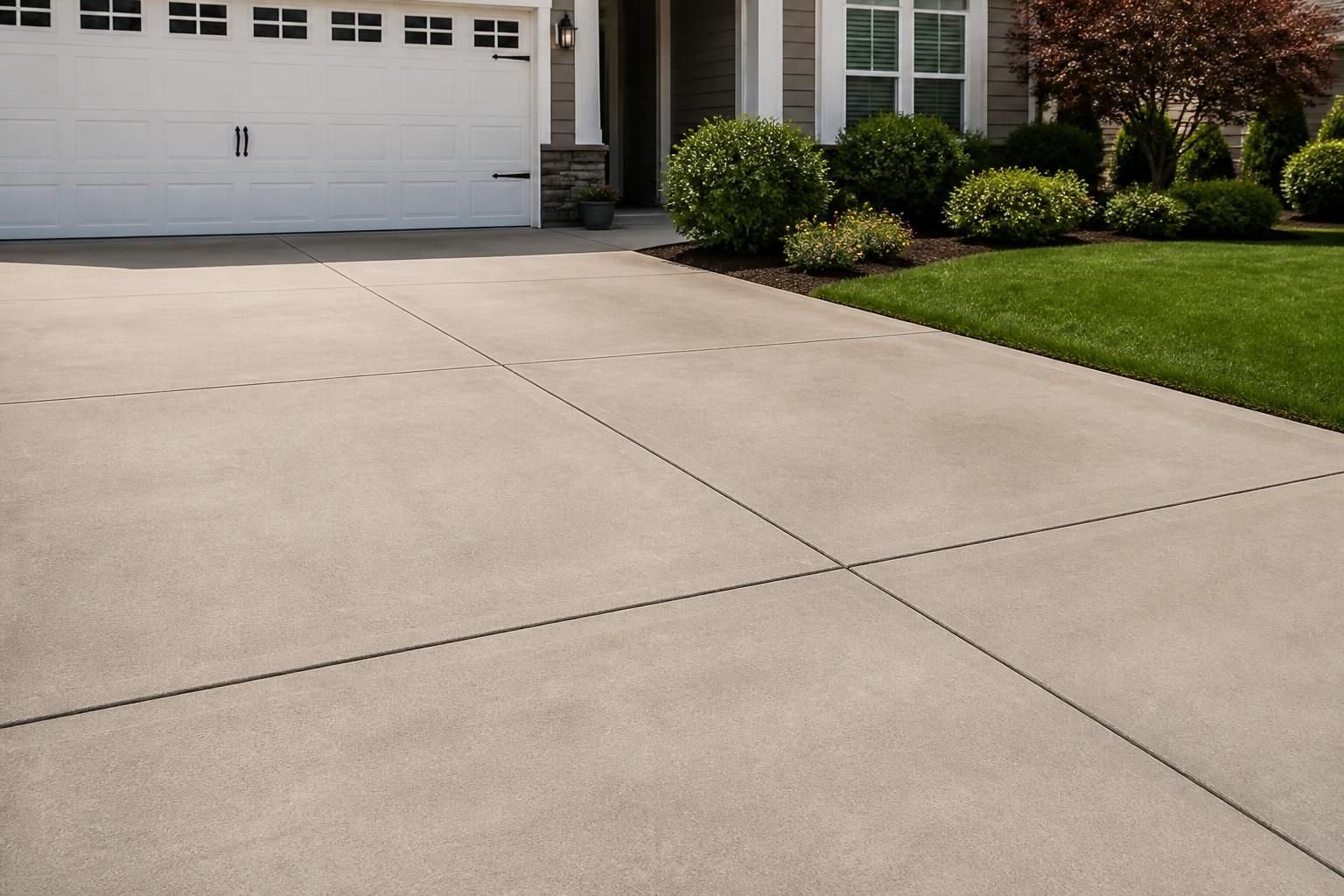
Pasadena Solid Foundation Repair repairs cracked, sunken, and uneven concrete driveways in Pasadena, TX. Cracks spreading across your driveway, edges lifting, or one slab sitting lower than the rest can turn every arrival and departure into a nuisance. In Pasadena, those changes usually point to soil movement, water intrusion, or slab settlement that should not be ignored.
If your driveway is separating from the garage, collecting water after rain, or making a rough trip for vehicles and foot traffic, Pasadena Solid Foundation Repair can take a close look and explain what is actually happening. We inspect the concrete, the underlying support, and the drainage conditions that may be driving the damage, then recommend a repair plan that fits the problem.
Concrete driveways often show stress before they fail completely. The sooner you notice the warning signs, the more options you usually have for repair.
These symptoms do not always mean the whole driveway must be replaced. Many driveways can be repaired if the underlying cause is identified early.
Pasadena driveways face the same soil movement that affects many concrete slabs across the area. Clay-heavy ground expands when it gets wet and contracts when it dries, which puts repeated stress on concrete surfaces. Over time, that movement can crack the slab or leave one part supported while another part settles.
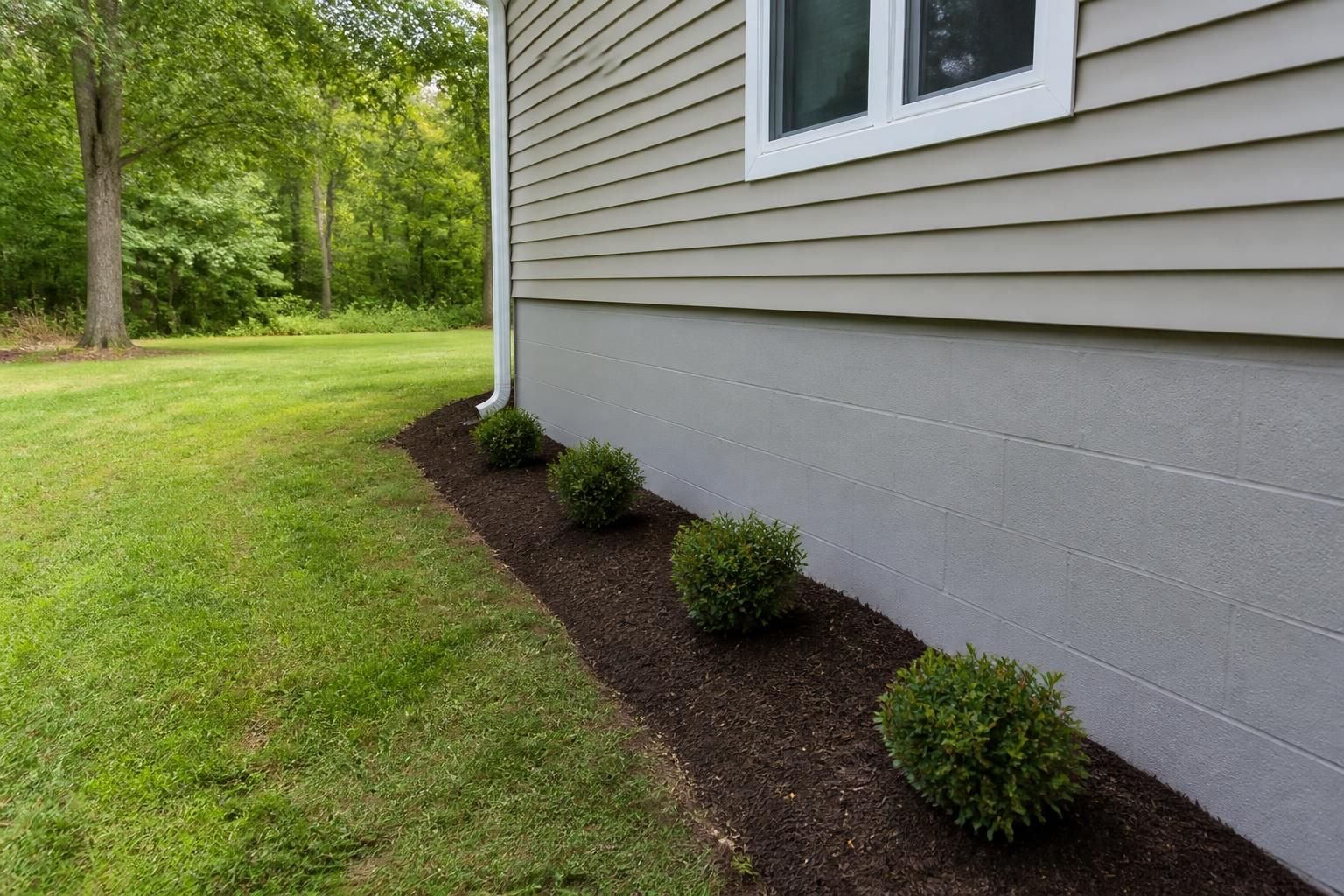
Drainage problems are a major reason concrete driveways shift. If water runs toward the slab, pools beside it, or softens the soil underneath, the concrete can begin to sink or tilt. Downspout discharge, poor grading, and storm runoff can all add pressure to the base below the driveway.
Driveways take constant vehicle weight, turning loads, and daily use. When the soil base has already weakened, that repeated pressure can widen cracks and make the damage more obvious. Areas near the garage, curb cut, or turning path are often the first to show distress.
Even a well-poured driveway can move if the ground beneath it shifts. Once the support below changes, concrete cannot flex much without cracking. That is why a lasting repair often depends on both the slab and the cause below it.
Pasadena Solid Foundation Repair starts with a careful inspection rather than a guess. We look at the visible damage, check how the slab sits, and look for clues that point to settlement, drainage trouble, or other causes.
The goal is straightforward: give you a clear picture of the driveway’s condition so you can make a good decision for the property.
Concrete driveway repair can range from restoring support under a settled slab to replacing damaged sections of concrete. The right approach depends on how far the damage has progressed and whether the slab is still stable enough to repair.
When cracks are present but the slab still holds its shape, we evaluate whether they are isolated or part of a larger movement pattern. A crack repair plan focuses on the condition of the concrete and the forces that caused the split so the repair has a better chance of lasting.
For driveways that have settled or become uneven, restoring support below the concrete may be the priority. If one section has dropped, leveling and related concrete repair can help reduce trip hazards and improve the driveway’s surface alignment.
Some driveways have sections that are too broken, too thin, or too far gone for a simple repair. In those cases, replacing damaged portions can be the cleaner solution, especially when cracks have spread through a slab or the surface has broken apart.
A concrete driveway can only stay stable if the ground beneath it stays dependable. That is why drainage matters so much during driveway repair. Water that stays near the slab softens soil, encourages settlement, and can lead to repeated cracking after a short period of dry weather.
We pay close attention to where water goes after rain and whether the driveway slope helps or hurts the slab. If a repair is made without looking at drainage, the same trouble can return. Addressing water movement gives the concrete a better support base and helps protect the work you invest in.
Homeowners often want to know what happens after they call for driveway repair. We keep the process clear and direct.
That straightforward process helps remove guesswork. If your driveway has more than one problem, we will point that out so the repair plan accounts for the full picture.
Concrete driveway repair is not the same from one place to another. In Pasadena, the soil conditions and the way water moves across a property can shape how a driveway fails. Pasadena Solid Foundation Repair works with those local conditions every day, so we know to look beyond the surface crack and focus on what caused it.
That local approach matters because a driveway can crack for one reason and settle for another. A slab that needs support under one section may also have a drainage issue along the edge. When the repair addresses both, the concrete is more likely to stay stable.
Driveways across Pasadena take a beating from the region's shifting clay and intense Gulf Coast weather. As the soil swells and shrinks, driveway slabs crack, sink at one end, or lift into trip hazards, and standing water from our flat drainage only accelerates the deterioration.
We repair and, where needed, replace driveways damaged by settlement — lifting sunken sections back to grade or pouring new, properly prepared concrete built to handle local soil movement. Because driveway problems often share a cause with nearby foundation or drainage issues, we look at the whole picture so the repair lasts.
Driveways and flatwork are poured shallow, so they feel Pasadena's coastal clay even more than the house does. When the clay swells after heavy Gulf rain it can lift a driveway panel; when it shrinks in dry weather the slab drops and cracks at the joints. Flat, poorly draining ground that holds standing water only accelerates it. We lift and stabilize the concrete and correct the drainage feeding the movement so the repair holds.
Often, yes. Many cracked driveways can be repaired if the slab is still structurally sound enough and the underlying cause is addressed. The inspection tells us whether repair or section replacement is the better path.
A sunken section usually means the ground beneath it has changed. That needs to be evaluated before any surface work starts, because patching the top alone will not correct a support problem.
Not always. Some cracks are narrow and isolated, while others signal ongoing movement. The pattern, width, and location of the cracks help determine how serious the problem is.
Water can soften the soil under the slab and wash away support. It can also cause repeated expansion and contraction in clay soil, which stresses the concrete over time.
Yes. If one slab has shifted higher or lower than the next, repair can reduce the uneven transition and make the surface easier to use.
That is exactly what an inspection is for. We look at the concrete surface, the movement pattern, and the surrounding drainage conditions to identify the most likely source.
If your driveway has cracks, settlement, or pooling water, now is the time to have it checked. Pasadena Solid Foundation Repair can inspect the damage, explain what is happening, and recommend a repair approach for your Pasadena property.
Related services include Concrete Paving, Concrete Slab Repair, and Concrete Parking Lot Construction.
We serve homeowners across Pasadena and nearby communities, including Friendswood, Webster, and Seabrook. If you are still weighing options, What Causes Concrete Driveways to Crack & Sink in Pasadena, TX? covers the background.
Call +17139292237 to schedule your inspection.
Start with an Inspection
Tell us what you are seeing, from cracks and sticking doors to sloping floors or drainage trouble. We will inspect the property, explain what is happening, and recommend the right repair path.