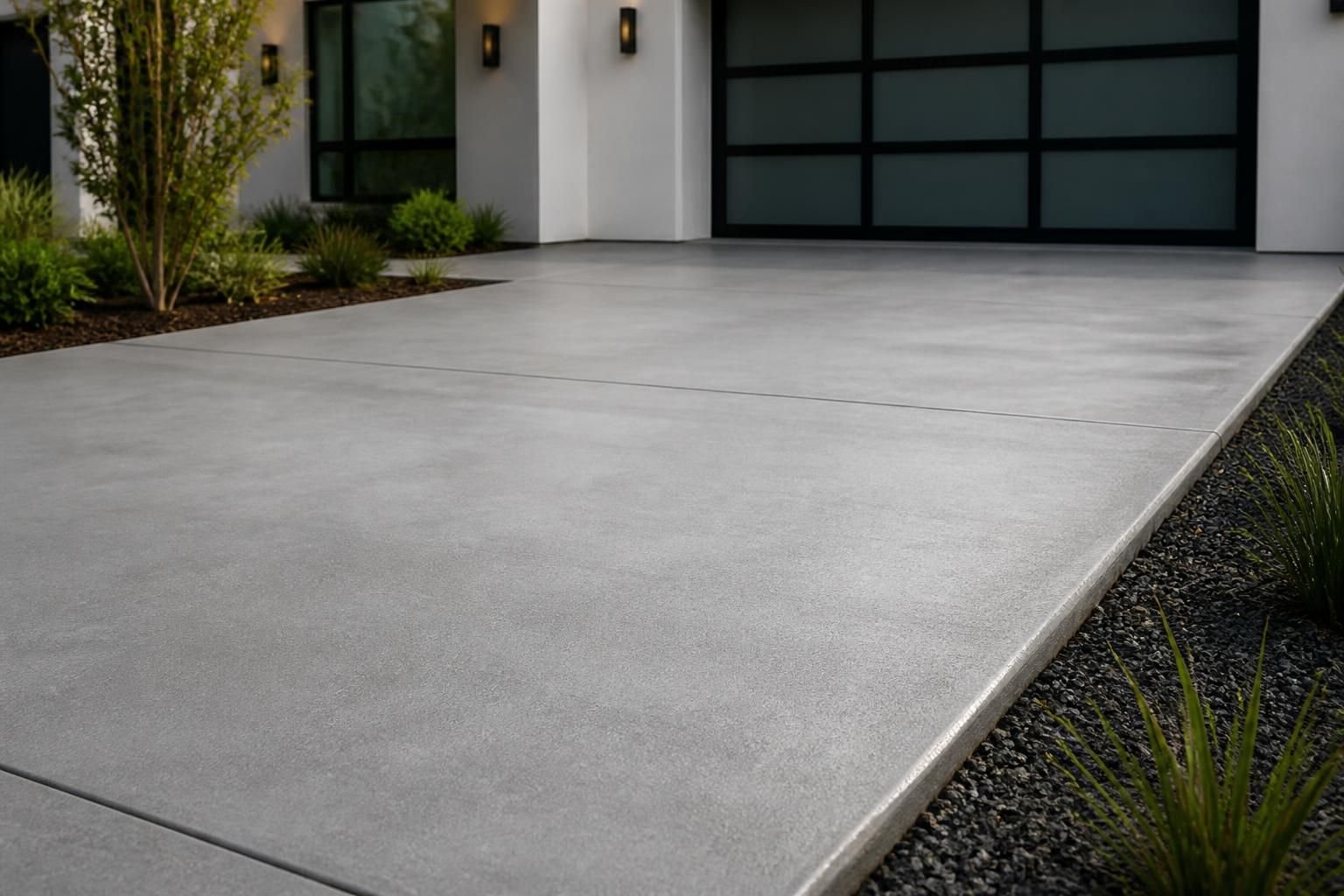
Pasadena Solid Foundation Repair pours concrete paving for driveways, lots, and walkways in Pasadena, TX. Cracked edges, uneven sections, and sunken concrete can turn a driveway, parking area, or access path into a daily headache. If wheels catch on a lip, water gathers after rain, or the surface has started to break apart, the problem is usually deeper than the visible damage.
Pasadena Solid Foundation Repair helps Pasadena property owners plan concrete paving work that stands up to local soil movement and steady use. We look at the surface, the base below it, and the drainage around it so the finished concrete is meant to hold up, not just look good for a short time.
Concrete paving is more than pouring a slab and walking away. It is the process of building a flat, durable surface that can support vehicles, foot traffic, equipment, and everyday wear. For Pasadena properties, that often means paying close attention to soil conditions, grading, and how water leaves the area after a storm.
At Pasadena Solid Foundation Repair, we handle concrete paving for driveways, parking areas, and other paved surfaces that need a solid foundation under them. When concrete is placed over weak soil or poor drainage, it can crack, settle, or shift sooner than it should. We plan the work with those pressure points in mind.
Some surface problems are cosmetic, but many are a warning that the concrete below is no longer giving steady support. If you are seeing repeated damage, patching may not be enough.
If you notice one or more of these signs at your Pasadena property, it is a good time to have the area checked before the damage spreads.
Good concrete paving starts well before the pour. We begin by looking at the area to understand how the slab should be shaped, supported, and finished for the use it will see.
We examine the existing surface, the surrounding grade, and any visible settlement or drainage concerns.
A stable base is critical. If the soil below is not ready, the new concrete will be more likely to move or crack.
We plan the paved area so it drains away from the surface and fits the way the property is used.
The slab is placed with attention to thickness, finish, and the demands of the space.
Once the surface is finished, the curing process gives the concrete time to gain strength.
That careful sequence matters because concrete paving is only as reliable as the preparation beneath it.
Concrete paving often begins with the driveway, since that is where most properties show wear first. A driveway takes repeated vehicle traffic, turning stress, and weather exposure. If the slab is too thin, poorly graded, or built over unstable soil, it can break down faster than expected.
We help Pasadena property owners with concrete driveway work that is meant to support daily use and reduce the problems that come with settling edges and surface cracks. For homes and businesses alike, a smooth access area makes a real difference in safety and usability.
Driveways commonly break down at the transition points where traffic enters and exits. These are the areas that often show the earliest settlement, edge cracking, or surface wear. If water runs across the slab instead of away from it, that stress can increase.
Some paved surfaces need to do more than support a single household. Parking areas and other larger concrete paving projects have to handle repeated load, turning movements, and long-term exposure. Pasadena Solid Foundation Repair also handles concrete parking lot construction for commercial and industrial properties that need dependable paved space.
For Pasadena property owners, that means we can look at how the paved area will be used and build it around the demands of the site. A parking surface that stays level and stable helps reduce trip points, wheel shock, and constant patching.
Large paved areas need strong support across the entire footprint, not just at the edges. Soil variation, drainage changes, and settlement at one point can affect the whole surface. That is why base preparation and slope planning matter so much on bigger projects.
Concrete can be strong, but it still depends on the ground below it. When water pools around a slab, the soil can soften, shift, or wash out. In Pasadena, where foundation movement is already a concern for many properties, drainage has to be part of the paving plan.
We look at how water moves across the site and how it leaves the paved area. That can reduce the chance of the concrete settling unevenly or breaking at stress points. If a surface already shows signs of movement, the drainage pattern may be part of the reason.
Watch for muddy edges after rain, recurring cracks at the same place, or sections that seem to drop lower than the rest. Those signs often point to moisture working under the paved surface.
Not every damaged surface needs full replacement, but some concrete has reached a point where patching only delays the real fix. The right answer depends on how much of the slab has moved, how wide the cracking is, and whether the base below is still stable.
When we inspect a Pasadena property, we look at the condition of the slab as a whole, not only the most visible damage. That helps us recommend a paving solution that matches the actual problem instead of covering it up.
Light damage or small flaws may be manageable with targeted repair.
If one section has dropped while the rest remains sound, the fix may focus on that area.
When cracks and unevenness run through much of the slab, replacement is often the more durable path.
We keep the process straightforward so you know what is happening at each stage. Pasadena Solid Foundation Repair starts with a careful review of the site, then explains the condition of the existing surface and what the new paving needs to address.
From there, we outline the steps needed for the project and move forward with the work agreed on for the property. Our goal is to build a paved surface that fits the site, matches the way it will be used, and gives you a cleaner, safer area to rely on.
Walkways, patios, and paved areas around Pasadena homes and businesses sit on the same reactive clay that moves foundations, so paving here has to be built with local soil in mind. Poorly prepared concrete on Gulf Coast clay tends to crack, heave, and settle within a few seasons of wet and dry cycles.
We install and repair concrete paving with proper base preparation and drainage suited to Pasadena's flat, moisture-heavy conditions, helping new surfaces stay level and intact longer. When existing paving has already shifted, we can lift and stabilize it or replace it as part of a coordinated plan with any related foundation or drainage work.
Paving in Pasadena sits on expansive Gulf Coast clay that moves with moisture and, in this channel-side area, has a long subsidence history. Without proper base preparation and drainage, that reactive soil cracks and tilts new paving within a few seasons. We build and repair paving with the local clay and water table in mind so the surface stays level and intact.
If the slab keeps cracking, sinking, or shifting after repairs, the supporting soil may be failing to hold its shape. We look for that during the inspection.
Yes, when the area is graded with drainage in mind. Proper slope can help move water away from the slab instead of letting it sit on the surface.
Edge failure often comes from weak support, repeated vehicle stress, or water getting under the slab and softening the base.
Yes. A small crack can be the first sign of movement, and it often tells you where stress is starting to build.
They do. Parking areas and other broad surfaces need careful support, slope, and layout because one weak area can affect the whole slab.
We start by identifying what the site needs, then we recommend the right paving approach for the conditions at your Pasadena property.
If your driveway, parking area, or other concrete surface is cracking, settling, or collecting water, it is worth getting a closer look before the damage grows. Pasadena Solid Foundation Repair serves Pasadena property owners with concrete paving work shaped around real site conditions, not guesswork.
Related services include Concrete Driveway Repair, Concrete Slab Repair, and Concrete Parking Lot Construction.
We serve homeowners across Pasadena and nearby communities, including Stafford, Cloverleaf, and Golden Acres. If you are still weighing options, What Causes Concrete Driveways to Crack & Sink in Pasadena, TX? covers the background.
Call +17139292237 to schedule your inspection.
Start with an Inspection
Tell us what you are seeing, from cracks and sticking doors to sloping floors or drainage trouble. We will inspect the property, explain what is happening, and recommend the right repair path.