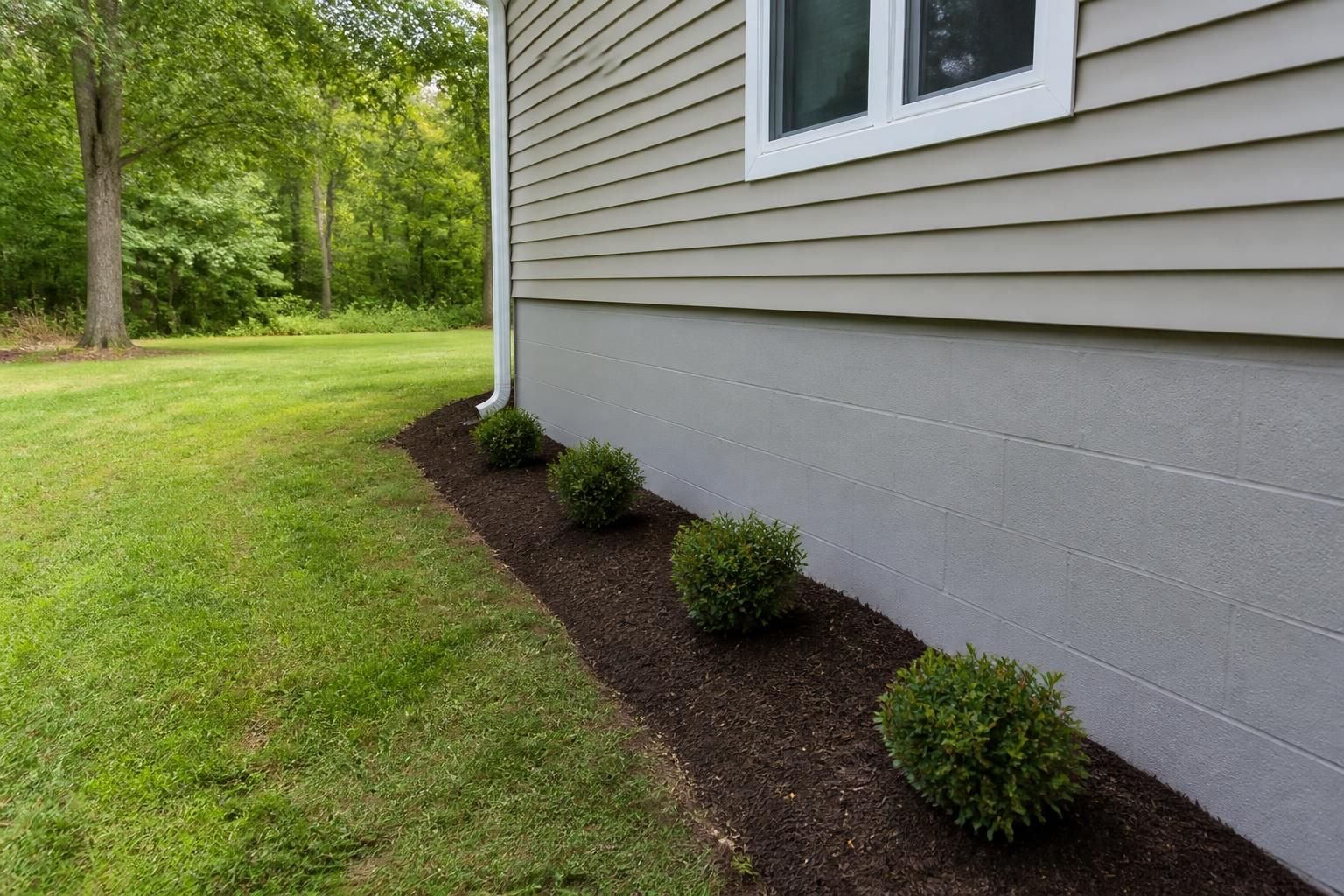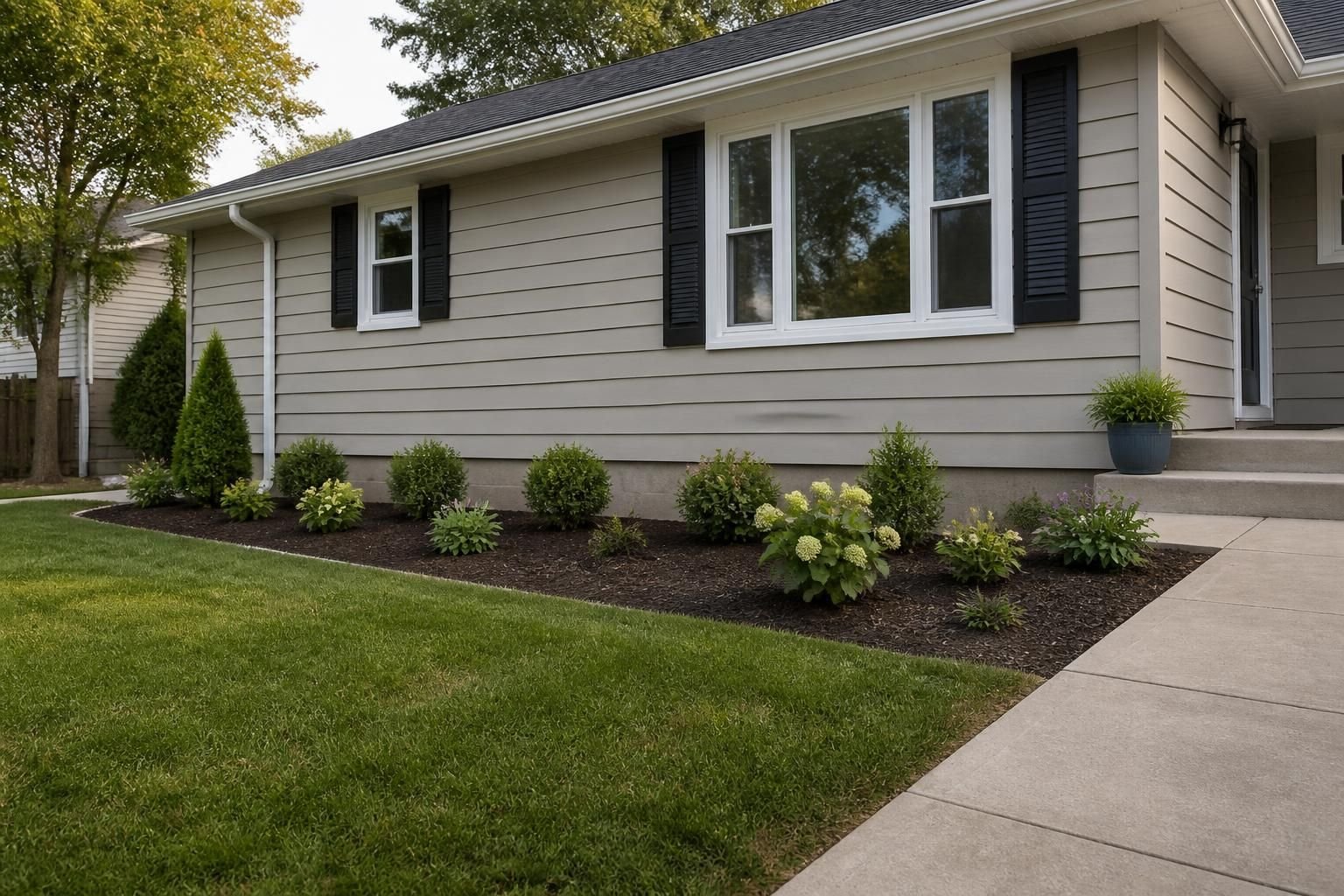
Pasadena Solid Foundation Repair repairs foundations on Pasadena’s clay soil. Quick Answer: The main reason homes in Pasadena have foundation problems is expansive clay soil. It expands when wet, shrinks in dry weather, and creates movement beneath the foundation that leads to settlement and cracks over time.
What Causes Foundation Problems in Pasadena?
Several local factors work together to affect foundations along the Houston Ship Channel and the wider Gulf Coast:
- Expansive Beaumont clay soil
- Drought and long dry summers
- Heavy Gulf Coast rainfall and tropical storms
- Poor drainage and a high water table
- Plumbing leaks
- Large trees near the home
Expansive Clay Soil
Clay changes volume as its moisture changes — expanding in wet periods and shrinking in dry ones. These repeated cycles place ongoing stress on concrete slab foundations and are the single biggest driver of movement in the area.
Drought and Heavy Rain
Extended dry weather pulls moisture from the soil, causing it to contract and leave parts of the foundation unsupported. Then rapid, heavy rain swells the clay again. Uneven moisture around a home leads to differential settlement, where one section moves more than another.
Drainage, Plumbing, and Trees
Water that isn’t directed away from the home keeps soil saturated, while plumbing leaks beneath the slab gradually erode support. Large trees planted too close pull moisture from the soil and dry it unevenly. Correcting drainage and fixing leaks early is an important part of protecting a foundation.
Coastal Flooding
Near the bay, bayous, and San Jacinto River, flooding is a real concern. In these areas some homeowners elevate with house raising to reduce future flood damage in addition to standard foundation repair.
Can Foundation Problems Be Prevented?
Not entirely, but you can reduce the risk by maintaining drainage, keeping soil moisture consistent, repairing plumbing leaks quickly, cleaning gutters, and scheduling periodic foundation inspections when warning signs appear.
Bottom Line
Foundation problems in Pasadena are usually caused by natural soil movement rather than poor construction. Understanding the causes helps homeowners recognize early signs and protect their property’s long-term structural integrity.
The Houston Ship Channel and Pasadena’s Coastal Setting
Pasadena’s location shapes its foundation problems as much as its soil does. The city sits on the flat Gulf Coast plain along the Houston Ship Channel, where the land is low, the water table is high, and heavy industry, bayous, and the San Jacinto River are never far away. This coastal setting means the ground rarely dries out completely and drains slowly after storms, so the expansive clay stays in a near-constant state of adjustment. During hurricane season and tropical storms, large volumes of rain can saturate the soil in a matter of hours, then a stretch of hot, dry weeks pulls that moisture back out. Few regions in the country put foundations through such dramatic and frequent moisture swings, which is a major reason foundation repair is such a routine need for homes and businesses across Pasadena, Deer Park, La Porte, and the surrounding communities.
How Different Homes Respond to the Same Soil
Not every home in a neighborhood moves the same way, even on identical soil. A great deal depends on how each property manages water and how it was built. Homes with poor drainage, downspouts that empty against the slab, or negative grading that channels water toward the foundation tend to see more movement. So do homes with large, mature trees close to the structure, since tree roots pull enormous amounts of moisture from the clay and dry it unevenly. The age and type of foundation matter too: older pier-and-beam homes near the Ship Channel and the inner loop respond differently than newer slab-on-grade homes. Understanding these differences is why a professional inspection is so valuable — it identifies the specific combination of factors affecting your property rather than assuming a one-size-fits-all cause.
Telling Normal Movement From a Real Problem
Because the clay is always moving a little, almost every home in Pasadena shows some seasonal change. A hairline crack that appears in late summer and closes up after the rains is usually just the soil breathing. The concern is movement that does not reverse: cracks that keep widening, doors that never return to normal, floors that grow steadily more uneven, or brick separation that gets worse year over year. When symptoms persist or progress across seasons, the foundation is likely reacting to a genuine loss of support rather than routine expansion and contraction. That is the point at which a foundation inspection is worthwhile, since elevation measurements and a trained eye can distinguish cosmetic seasonal movement from active settlement.
Protecting Your Foundation in Pasadena
The single most effective thing a homeowner can do is keep soil moisture around the foundation as consistent as possible. In dry spells, watering the perimeter with a soaker hose keeps the clay from shrinking away from the slab. In wet weather, the priority flips to drainage: gutters should be clear, downspouts should discharge several feet from the house, and the ground should slope away from the foundation so water does not pool against it. Keeping large trees a sensible distance away, adding root barriers where needed, and fixing plumbing leaks promptly all reduce the uneven drying and wetting that drives movement. None of these steps can override the nature of Gulf Coast clay, but together they meaningfully slow foundation movement and help any repair hold up over time.
What Are the Repair Options?
When movement has already caused damage, the right fix depends on the foundation type and the extent of settlement. Slab homes are typically stabilized by driving piers to stable support and lifting the affected sections; pier-and-beam homes are repaired from the crawl space by replacing beams, adding supports, and re-leveling the floor system. In flood-prone areas near the bay and the San Jacinto River, some homeowners go a step further and elevate the structure with house raising. To understand what these repairs typically cost in our area, see our 2026 foundation repair cost guide.
Frequently Asked Questions
Does every home in Pasadena eventually have foundation problems?
Not every home, but the risk is higher here than in many parts of the country because of the expansive clay and coastal moisture swings. Homes with good drainage, sensible tree placement, and consistent soil moisture can go for years without significant movement, while homes that let water pool or dry out unevenly tend to see problems sooner.
Is foundation movement worse in new or older homes?
Both can be affected. Older homes have simply had more seasons to move and may sit on aging pier-and-beam systems, while newer slab homes can still settle if they were built on poorly drained lots or fill. Age matters less than how each home manages water and soil moisture over time.
Can I prevent foundation problems entirely?
You cannot change the clay beneath your home, so prevention is really about risk reduction. Keeping soil moisture steady, maintaining drainage, controlling nearby trees, and fixing leaks promptly all lower the odds of serious movement, and scheduling an inspection when you first notice warning signs keeps small issues from becoming large ones.
How quickly do foundation problems get worse in Pasadena?
It varies with the weather and the underlying cause, but our dramatic wet-and-dry cycles tend to accelerate movement compared with milder climates. A crack that seems minor in spring can widen noticeably after a hot, dry summer or a major storm. Because repair cost rises with the amount of movement, addressing problems while they are small is almost always faster, less disruptive, and more affordable than waiting for the damage to spread.
Related articles
For more, read the Pasadena foundation repair cost guide and learn the warning signs that mean it is time for an inspection. Homeowners in nearby Friendswood and Channelview face many of these same conditions.
Ready to get started? Reach out to Pasadena Solid Foundation Repair for a professional inspection and a clear repair plan.
We help homeowners in Golden Acres, Jacinto City, and Channelview and nearby. If this sounds like your situation, see our foundation drainage, root barrier installation, and slab foundation repair pages. For outside information, the National Weather Service Houston/Galveston office posts local forecasts and weather alerts.
Call +1-713-929-2237 to Schedule an inspection and we will help you fix your foundation problems.